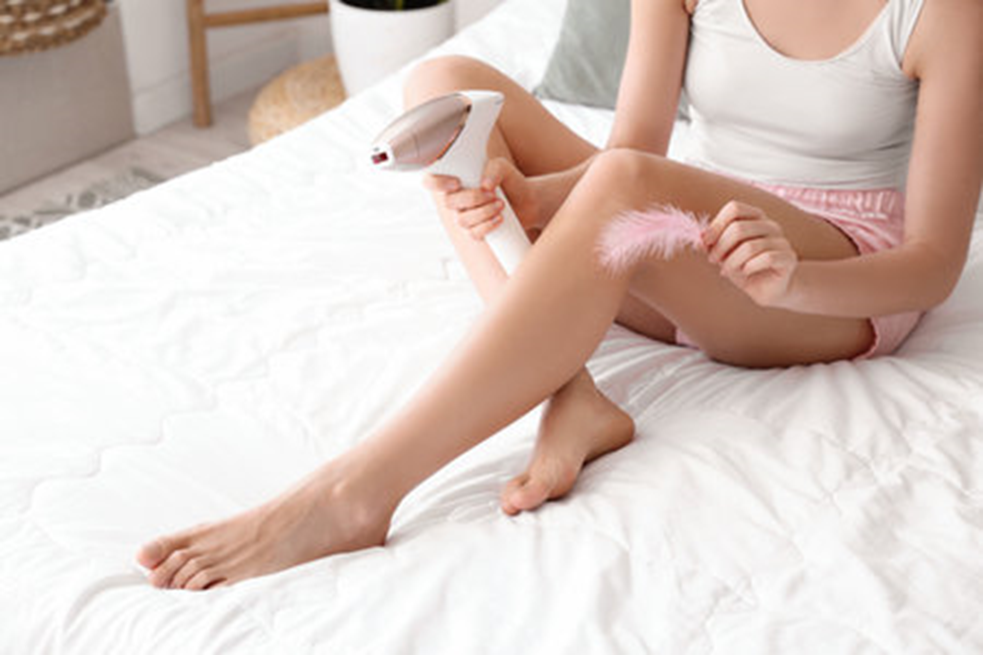
Are you looking to understand the potential dangers of Intense Pulsed Light (IPL) hair removal and avoid its unwanted effects? We’ve got the answer!
Without reliable information, you risk irritations, burns, or disappointing results, but thanks to our in-depth analysis of IPL techniques and devices, you’ll know how to choose the safest method. Whether you’re a beginner or already experienced, this article will guide you to avoid risks and enjoy the best results with complete peace of mind.
What should you know about Intense Pulsed Light (IPL)?
Intense Pulsed Light (IPL) hair removal is a popular method for eliminating unwanted hair. The devices emit light beams beneath the skin, targeting pigments to treat hair, rosacea, age spots, and small varicose veins.
IPL is effective on several phototypes, especially darker hair that is rich in melanin. It is non-invasive and quickly delivers satisfying results—98% of hair is eliminated in four sessions.
Recovery after each session is quick if usage instructions are followed. However, misuse can lead to complications, sometimes minor but occasionally more serious.
What are the dangers of Intense Pulsed Light?
The potential consequences of Intense Pulsed Light on the body can be grouped into four main categories, which we invite you to discover below.
Group 1: Minor Risks
The following treatment side effects generally subside within three days:
- Pain sensations.
- A burning feeling on the treated area.
- Noticeable heat sometimes near the treated areas, including around the eyes if the treated skin is close by.
These findings vary from person to person but tend to disappear quickly in any case.
Group 2: Inflammation-Related Risks
IPL often causes inflammation in skin that isn’t fully compatible with the technology or contains little melanin. These users commonly report:
- Temporary redness.
- Swelling around hair follicles near the eyes, especially if the treated area is adjacent.
- Peeling skin.
- The appearance of purple spots on the skin.
- Increased sweating in the treated area.
Please test IPL on a small area of skin 24 hours before the first use to check its effects on you. If you experience intense redness or burning, stop treatment immediately to avoid more severe repercussions.
Group 3: Moderate Risks
By using IPL technology over the long term without any prior information, you increase the likelihood of observing the following effects:
- Blistering and scabbing on the skin.
- Mild dermatitis that may worsen.
- Exacerbation of existing hair growth or emergence of new hair on the periphery of the treated area.
- Loss of color in the treated hair.
- Temporary damage to the retina or cornea if exposed directly without eye protection.
- Increased light sensitivity following indirect exposure.
It is strongly recommended to consult a dermatologist or aesthetician before starting IPL hair removal at home. These professionals can suggest an IPL brand best suited to your skin and needs.
Group 4: Major Risks
Severe side effects of Intense Pulsed Light include:
- Persistent nerve pain post-treatment.
- Hyperpigmentation or hypopigmentation of the skin.
- Permanent marks resulting from severe burns or improper healing.
- Corneal burns.
- Temporary or permanent blindness in extreme cases of direct exposure, especially without suitable protective eyewear.
This technology can also delay the diagnosis of skin cancer by altering the color of precancerous lesions. You must be aware of these risks in order to better avoid them and enjoy the positive results of Intense Pulsed Light.
How to Prevent Negative IPL Side Effects?
To minimize the risks associated with using Intense Pulsed Light, it’s important to follow certain guidelines.
- Choose a qualified professional: enlist a practitioner who is experienced and trained in using IPL devices.
- Home use: only use a high-quality device that meets CE standards.
- Consult before treatment: schedule a preliminary consultation to determine if your phototype is suitable for IPL hair removal.
- Do not treat areas close to the eyes: these areas are very sensitive and can be irritated by IPL.
- Wear eye protection: always use suitable protective eyewear to prevent eye damage.
- Clean the area to be treated beforehand: good hygiene is recommended, and well-hydrated skin helps reduce dryness and burns.
- Test on a small area: perform a test on a small patch of skin to check for reactions before treating a larger area.
- Follow post-treatment instructions: adhere to the professional’s advice to avoid complications (staying out of the sun, using soothing creams, etc.).
If you have skin problems, do not hesitate to inform the practitioner (if the procedure is done in a salon) for appropriate advice. Also make sure to use equipment that is recognized and certified according to European safety standards (if you do it at home).
FAQ
Which hair and skin types are best suited to IPL?
IPL is more effective on darker hair rich in melanin and tends to work best on lighter skin. Darker skin or lighter hair may not respond as effectively to the treatment.
Can IPL be used on all parts of the body?
IPL can be used on almost all parts of the body, but certain areas like the face or bikini line require special precautions. It’s important to follow the manufacturer’s specific recommendations and consult a professional if you experience any side effects.
What is the difference between IPL hair removal and laser?
IPL uses bands of light at various wavelengths, while laser uses a single, concentrated wavelength. Laser is more precise and often more effective for treating certain hair and skin colors, but IPL is generally faster for hair removal over large areas.