Are you hesitant to start IPL beard hair removal? This is entirely understandable given the many misconceptions surrounding facial hair removal with IPL. The technique is mostly familiar to women, leaving men less informed.
Our article is entirely dedicated to beard hair removal using intense pulsed light. We’ll present the technology’s principle, its benefits, how to use it, and the criteria to consider when buying a good at-home device. We also share the opinions and advice of former users and scientific experts on IPL chin hair removal.
Why should men choose IPL for beard hair removal?
Using an IPL device to remove your beard hair offers advantages such as:
- Ability to personalize your style: thanks to the rectangular window of the device’s applicator, you can create a royal beard or a balbo as you wish.
- No more unwanted hairs and reduced patchy growth.
- Significant reduction thanks to IPL in regrowth after 12 applications.
- Less frequent touch-ups needed after the initial sessions.
- No more daily shaving, nor the pain, irritation, or ingrown hairs typically associated with it.
- Fast and convenient sessions: an average of fifteen minutes of treatment in the comfort of your own shower.
IPL technologies are continuously evolving and can adapt to various skin types. Although the initial investment may be high, they become cost-effective over the long term due to reduced skincare needs. To get the most out of this method, you need to master its usage.
How IPL Works
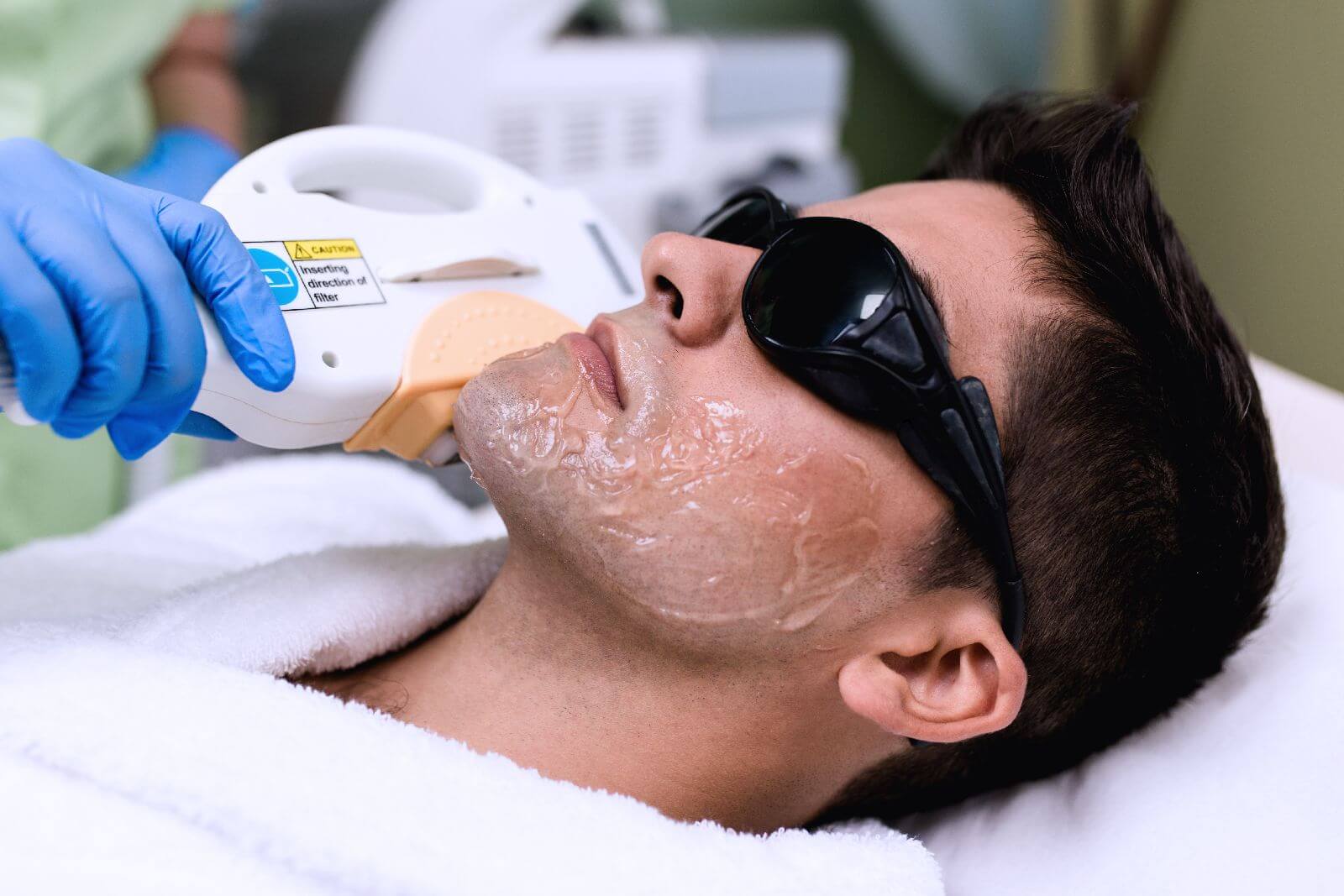
Intense pulsed light works by targeting the melanin in beard hairs. The melanin converts the polychromatic wave into heat, completely destroying the hair follicle. Since this is the root of the hair, its growth is halted for several months.
This leaves you with a more refined look, and when regrowth occurs, the hair appears finer and sparser. Once you have your at-home IPL device, carefully read the manufacturer’s instructions to avoid potential side effects.
Guide to Using IPL for Beard Hair Removal
Before incorporating IPL into your skincare routine, consult a dermatologist or a hair removal professional. They can help you assess the technique’s effectiveness on your specific skin and hair type.
If a consultation is not possible, perform a patch test on a small area of your beard, then check the skin’s reaction after 24 hours. Once you’re confident that the device is compatible with your phototype, follow these steps:
- Shave the beard area to be treated 24 hours before the session. Avoid using wax to preserve the hair follicle.
- Cleanse your face to remove all traces of cosmetic products. Wait until the skin is completely dry.
- Set the device according to your skin type and hair color. Refer to the user manual to choose the correct intensity level.
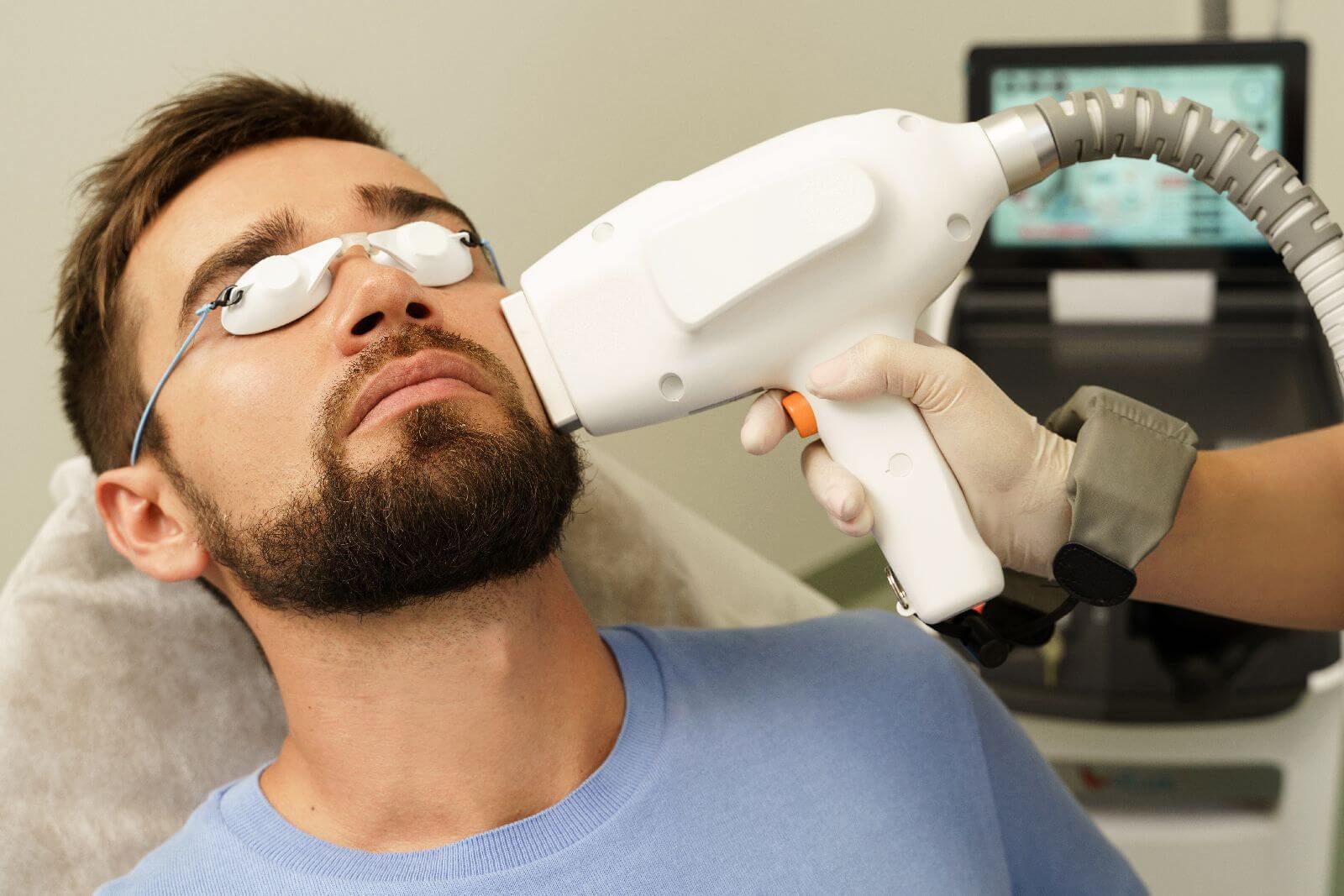
- Wear protective eyewear to shield your eyes from the light flashes.
- Press the button to release a flash of light.
- Move the applicator to the next area after each flash.
Tips for Optimal Results
After the treatment, soothe the skin with a gentle, fragrance-free moisturizing cream. Also avoid direct sun exposure, and use a high SPF sunscreen on the beard area.
The recommended treatment schedule is typically every two to four weeks. This helps ensure that you target hair follicles in different growth phases for optimal results. Also, be sure to follow the precautions and contraindications of IPL devices.
Safety and Effectiveness of IPL for the Beard
Recognized devices that comply with European standards are effective and safe when used properly. Their effects on dark hair and fair skin are quickly noticeable due to the high melanin content. Very light, red, gray, or white hairs do not respond as well to treatment.
If you have skin conditions, allergies, or if you are taking photosensitizing medications, consult a specialist before starting treatment. Also avoid treating areas with tattoos, moles, or skin lesions. Finally, choose an IPL brand that meets your needs and personal characteristics.
Which IPL Device for Your Beard Type
When selecting an IPL device for your beard hair removal, consider the following technical specifications and advanced features:
- Wavelength: between 600–900 nm, ideal for targeting hair follicles without damaging the skin.
- Intensity levels: a good epilator should offer between 5 and 10 settings to accommodate different skin types and hair colors.
- Light energy: 3 to 8 Joules/cm². The higher the energy, the more effective the treatment, but it must be adjustable.
- Lamp lifespan: indicated by the number of flashes. A quality device emits at least 100,000 to 300,000 flashes, ensuring prolonged use.
- Skin tone sensor: an integrated sensor that measures the skin’s pigmentation and automatically adjusts the intensity to prevent burns.
- Treatment mode: a precision mode for the beard area, with attachments designed for the face.
- Cooling system: some IPL machines come equipped with this feature to soothe the skin during treatment and reduce discomfort.
- UV filtration: ensure the device has a UV filter to protect the skin from harmful ultraviolet rays.
- Ergonomics: choose a model with an ergonomic handle and balanced weight for easy and comfortable use.
- Certifications: check if it’s certified by regulatory bodies such as the FDA or carries the CE mark to ensure safety and efficacy.
- Warranty: opt for a brand offering at least a 1-year warranty to protect against manufacturing defects.
By considering these factors, you can choose a device that meets your expectations and provides excellent, long-lasting results. Read on for testimonials from previous users, as well as available research findings on this technology.
The Effectiveness of IPL on the Beard: Reality or Myth?
To settle the debate on the performance of IPL epilators, compare these user reviews with the results of scientific studies.
Testimonials
Here is a compilation of tips and opinions from real intense pulsed light users:
- “I started using IPL to remove my beard hair about eight weeks ago, and I’ve already noticed slower regrowth than usual. Even though my skin reddens slightly right after the flashes, it fades quickly. I make sure not to rub or flash the same area twice.”
- “My beard used to grow back very quickly, so I had to shave every other day. Thanks to IPL technology, I now have the smooth chin I like without shaving multiple times a week.”
- “Seven sessions in, and I’d say that 95% of my beard is gone. My skin is soft, and that alone makes this purchase worthwhile.”
- “I’ve been using the IPL epilator for almost a year now, and it really helps me avoid ingrown hairs.”
Since its invention, the technology has also been the subject of scientific studies to test its claimed effectiveness and safety.
Scientists’ Conclusion on IPL’s Effectiveness
Whether it’s ANSES, dermatologists, or aesthetic care experts, all have shared their viewpoints on IPL:
- “Notable reduction in hair, often 80% to 95% after 8 to 12 sessions. This result is not always permanent. Maintenance sessions are needed every 6 months.”
- “IPL’s effectiveness varies according to skin type and hair color. Fair skin with dark hair shows the best results.”
- “Side effects are generally mild, such as temporary redness, but there can be cases of burns or pigmentation changes.”
- “At-home IPL devices pose fewer risks compared to traditional methods like shaving, waxing, or chemical depilatories. They are non-invasive, meaning the light does not penetrate deep skin layers.”
IPL effectively reduces beard hair, but results vary depending on individual characteristics and how carefully you follow pre- and post-treatment care.
Transform Your Routine with IPL Hair Removal
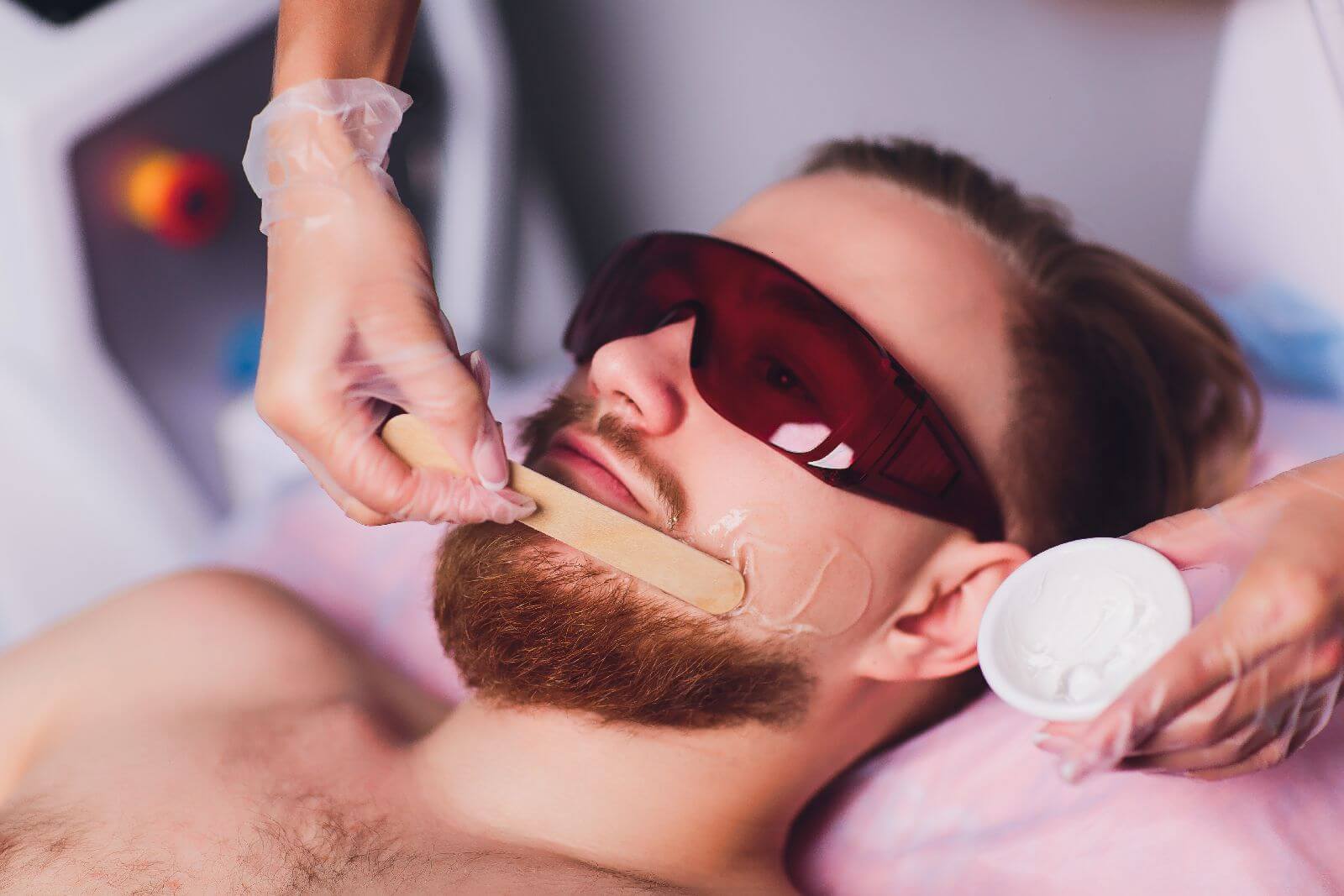
IPL beard hair removal offers you a unique and stylish look. No more daily shaving, and each session is quick with long-lasting effects.
Pulsed light removes unwanted hair down to the root. It’s easy to use and accessible to everyone, but always check its compatibility with your skin type and hair color beforehand.
By diligently following the manufacturer’s instructions, you’ll experience slower regrowth and finer, sparser hair. Just be sure to respect the precautions and limitations of the technology.
FAQ
Why do you need to shave before using IPL?
You should shave your hair before any IPL application so the light energy can effectively target the hair root. Surface hairs won’t absorb the light, reducing the risk of burns and improving treatment outcomes.
What are the risks of IPL?
Potential risks of IPL include temporary redness, burns, and pigmentation changes, particularly on darker skin tones. There can also be minor pain and swelling. In rare cases, scarring may occur on treated skin. Eyes must be protected to avoid blisters or ocular lesions.