Are you looking for an effective solution for long-lasting and comfortable hair removal on sensitive areas like the intergluteal cleft?
Intense pulsed light (IPL) is an ideal method to say goodbye to unwanted hair while caring for your skin. No more irritation or rapid regrowth: let me guide you step by step to discover the benefits of this technique and achieve hair removal with complete peace of mind.
What is the intergluteal cleft ?
The intergluteal cleft, or SIF, is the anatomical term for the buttock crease. It’s the area located between the buttocks, running from the base of the spine down to the anus. This intimate zone is particularly sensitive due to the presence of numerous nerves.
What you need to know about IPL hair removal for the intergluteal cleft ?
- Difficult to reach: The area is hard to access, making at-home hair removal complicated.
- Sensitivity: The SIF is highly sensitive due to the concentration of numerous nerves.
- Hygiene and aesthetics: Because of hygiene considerations and the unsightly appearance of hair, removal is often preferred.
Tip: For optimal results and to avoid complications, it is often recommended to go to a professional salon for IPL hair removal of the SIF.
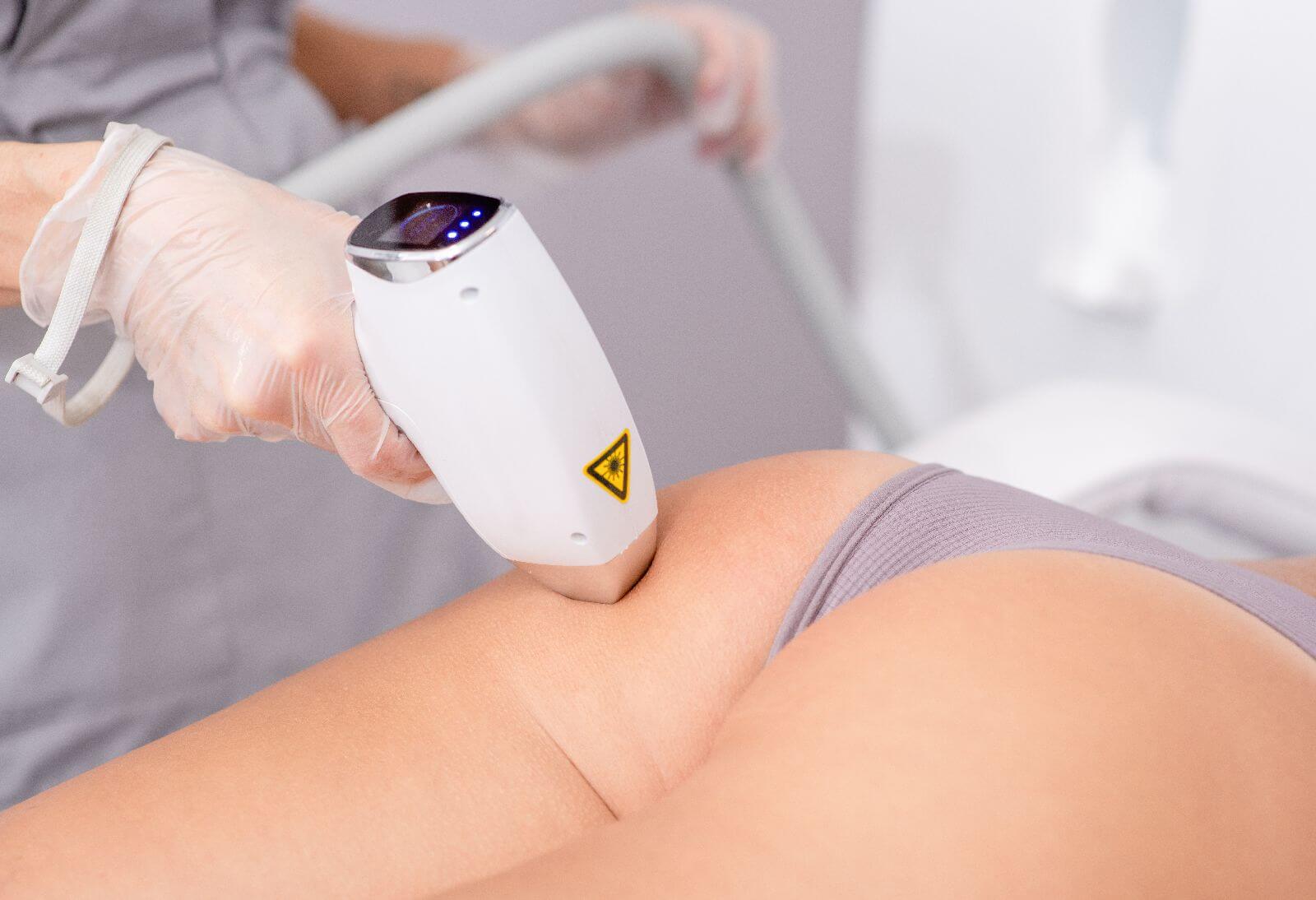
Contraindications for at-home IPL hair removal on the SIF
Before starting an IPL hair removal session, it’s very important to check whether you are affected by any of the following contraindications:
- Pregnancy: Hormonal changes make the skin more sensitive, and IPL hair removal is not advised during this period.
- Breastfeeding: As with pregnancy, hormonal fluctuations can affect how the skin reacts.
- Skin conditions: Issues like eczema, psoriasis, or other skin problems may be aggravated by IPL.
- Certain medical treatments: Photosensitizing or anticoagulant medications increase the risk of side effects such as burns or irritation.
If in doubt, consult a professional to assess whether this method is suitable for your situation.
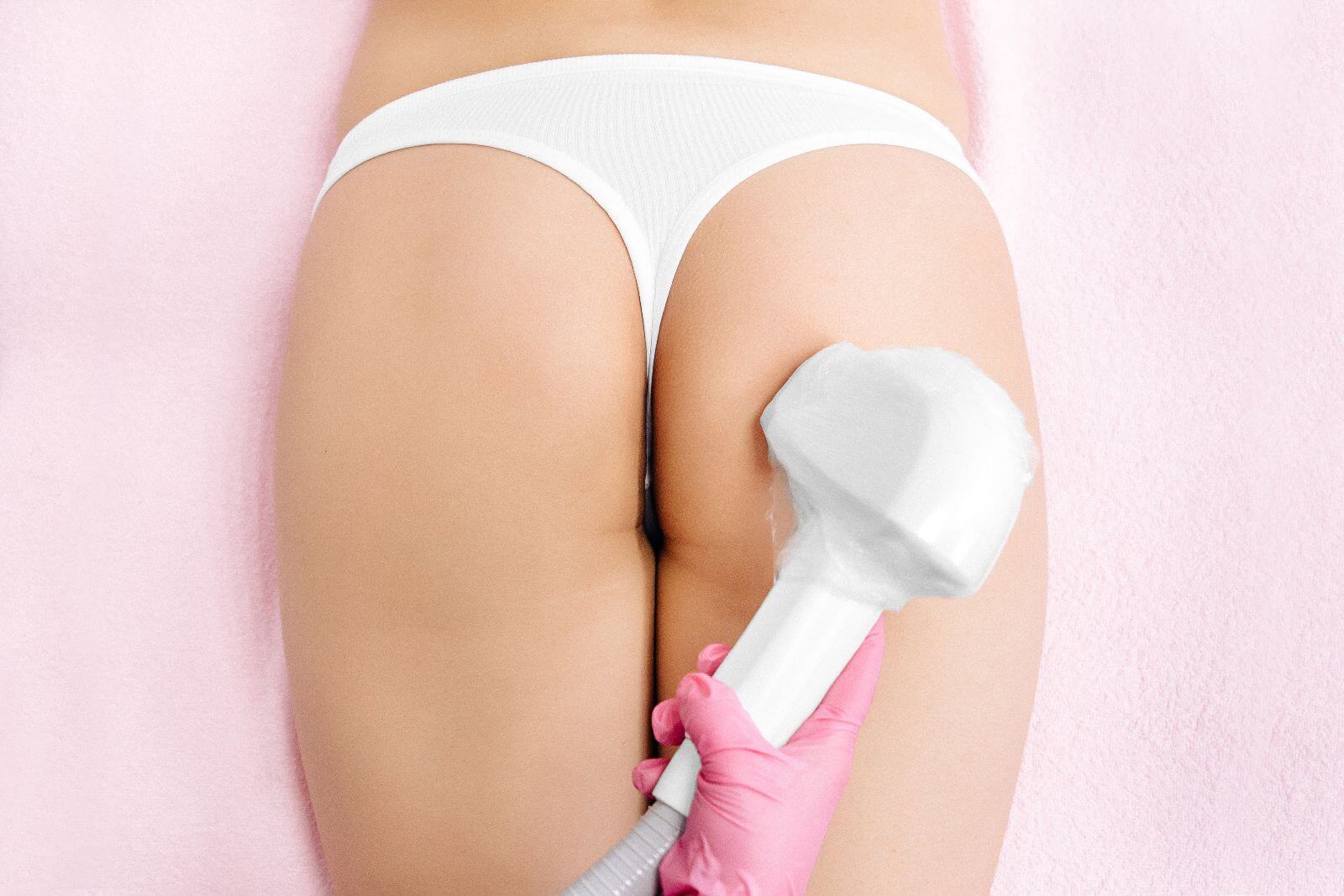
Everything you need to know about at-home IPL hair removal for the intergluteal cleft
Performing an IPL hair removal session at home on the intergluteal cleft requires thorough preparation. Certain key steps must be followed to ensure optimal results and protect your skin’s safety.
Follow these tips before, during, and after your treatment for a successful and comfortable experience:
| Steps | Detailed Tips |
|---|---|
| Preparation before the session | – Read the instruction manual carefully for your IPL device to ensure safe use. – Get proper protective goggles to avoid any eye risks. – Shave the area 48 hours beforehand to guarantee maximum effectiveness. |
| During the session | 1. Find a clean, well-lit, and comfortable space. 2. Wear your protective goggles for eye safety. 3. Apply a thin layer of specialized gel (if required by your device) on the area to be treated. 4. Use the IPL lamp following the manufacturer’s instructions and settings. 5. Gently clean the area with a clean towel after the session. |
| After the session | – Apply a soothing cream to hydrate and calm the skin. – Avoid any sun exposure for 2–3 weeks. Use sunscreen if you must go outside. – Refrain from any abrasive or irritating activity on the treated area for a few days. |
Are there any risks or dangers with definitive SIF hair removal?
Definitive hair removal of the intergluteal cleft comes with certain risks if done improperly or if the guidelines are not followed. Possible side effects include burns, often caused by incorrect device settings, and irritation, which is common in this sensitive area.
Insufficient hygiene can also lead to skin infections. Some people experience slight pain or tingling during or after the session. In addition, sun exposure without protection after treatment can cause pigmentation spots, ranging from hyperpigmentation (dark spots) to hypopigmentation (lighter patches).
Finally, allergic reactions to the gel or post-treatment cream, though rare, can happen. To avoid these issues, it’s crucial to follow the recommendations carefully and ensure your skin is well prepared and protected.
Cost of IPL hair removal: Salon vs. At-home
The price of an IPL hair removal session for the intergluteal cleft in a salon generally ranges from €50 to €100. This rate depends on the establishment, its location, and the expertise of the esthetician.
For optimal results, multiple sessions are necessary, which can affect the total cost of treatment.
The cost of an IPL hair removal device usually ranges from €200 to €700, depending on the brand and features. High-end models often provide more customized settings and a longer lifespan, justifying their higher price.
| Option | Price | Details |
|---|---|---|
| Salon session | Between €50 and €100 per session | The rate varies based on the salon, its location, and the esthetician’s expertise. |
| IPL hair removal device | Between €200 and €700 | The cost depends on the brand and features, with high-end models offering more settings and durability. |
| Number of required sessions | About 5 to 8 sessions | Several sessions are needed to achieve a long-lasting result, increasing the total cost of salon-based treatments. |
FAQ:
Is IPL hair removal of the intergluteal cleft painful?
No, IPL hair removal of the intergluteal cleft is generally painless, though you may feel slight warmth or tingling. This sensation depends on your skin’s sensitivity and the device settings. Applying a soothing cream after the session helps reduce any potential discomfort.
How long does a session for the intergluteal cleft take?
An IPL hair removal session for the intergluteal cleft usually lasts about 15 to 20 minutes. This time includes preparation, treatment, and post-session care. At-home devices may take a bit longer depending on their power.
Can you have a session during the summer?
Yes, but it’s essential to avoid any sun exposure for one month before and two to three weeks after the session. If you are tanned, it’s better to wait until your skin returns to its natural tone to avoid the risk of burns or spots. Always protect your skin with sunscreen if you go out in the sun during an IPL hair removal period.