It is generally recommended to shave the hair before a pulsed light session to achieve better results and ensure the safety of the treatment.


This article may interest you: Braun: My Review & Braun Silk Expert Pro 3: My Review
Why does shaving before each session make the pulsed light hair removal session more effective?
Shaving before a pulsed light hair removal session is a crucial step.

For more effective hair removal
The hairs above the skin can diffuse the light energy, preventing it from effectively reaching the hair follicle. By shaving, you ensure that the light energy is directed to the hair root, where it is most needed for effective hair removal. For best results, choose effective IPL hair removal devices.
Shaving allows the light energy to more effectively target the pigment in the hair follicle. This pigment absorbs the light energy and transforms it into heat, which then destroys the hair follicle and prevents hair regrowth. If the hair is too long, the energy can be absorbed before it reaches the follicle, which reduces the effectiveness of the treatment. You may then face a common issue: the hairs do not fall out after pulsed light.
To read: Can pulsed light cause cancer?
Not shaving beforehand can cause damage
The pulsed light hair removal process works by targeting melanin, the pigment that gives hair its color. When light is absorbed by the melanin, it is converted into heat, which damages the hair follicle and inhibits future hair growth. However, if the hairs are long at the time of treatment, much of this heat can be absorbed by the parts of the hair that lie above the skin’s surface.
In this case, the generated heat can cause a burning sensation on the skin, making the treatment uncomfortable. Additionally, in some cases, this heat can even damage the skin. These damages can manifest as burns, redness, or dark spots. By shaving before the pulsed light hair removal session, you can minimize these risks and make the treatment more comfortable and effective.
Pulsed light hair removal on long hairs
As you might guess, it is therefore not possible to perform pulsed light hair removal on long hairs. It is the destruction of the follicle that prevents the hair from growing back.
The long hairs above the skin can absorb much of the light energy, causing them to heat up quickly. This heat can then be transferred to the surrounding skin, increasing the risk of burns and skin damage.
For the treatment to be effective, we recommend shaving your hair before the session, or even the day before depending on how quickly your hair grows back. This allows the hairs to be in the regrowth phase during treatment, enabling the device to identify the melanin in the hair follicle.
This may interest you: Pulsed light hair removal during pregnancy
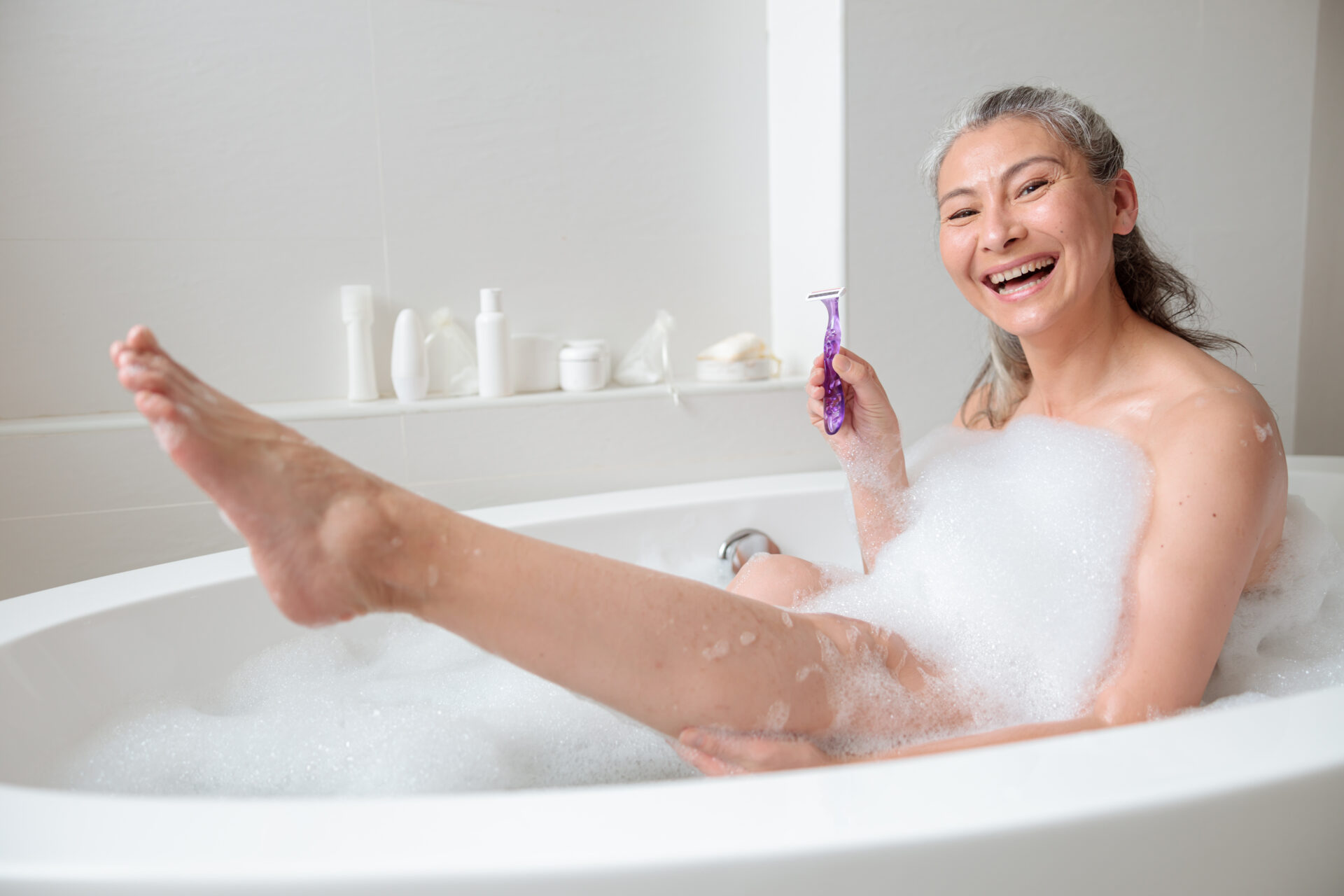
When to shave after pulsed light hair removal
It is generally recommended to wait a few days before shaving. This gives the skin time to recover from the hair removal, as the process can be a bit traumatic for the skin, especially if it is sensitive.
A delay of 2 to 3 days is usually sufficient, but this can vary depending on your individual skin sensitivity. If your skin is particularly sensitive or if you experience prolonged irritation, it may be better to wait a bit longer. The best approach is to wait until the hair has fully grown back to shave it in preparation for another pulsed light session.
Waxing or other methods are not recommended in order to maintain the full effectiveness of the device.
Don’t forget to always use sunscreen after an IPL treatment, as the skin can be more sensitive to the sun and more prone to burning.

This article may interest you: Braun Silk Expert Pro 5: My Review
Can you remove hair between two pulsed light sessions?
You can get rid of regrowing hairs, but it is recommended to use a method that does not disrupt the hair follicle.
It is strongly advised against using hair removal methods that pull the hair from the root, such as waxing, tweezing, threading, or electric epilators. These methods can disrupt the hair growth cycle and make IPL treatment less effective. If you still want to use one of these methods, you need to wait until the hairs have fully regrown to shave them and perform a pulsed light session.
Shaving is the most commonly recommended method because it simply cuts the hair at the skin’s surface without affecting the follicle.
This may interest you: Can you perform pulsed light hair removal when you have rosacea?
Depilatory cream before a pulsed light session
Depilatory creams, sometimes called chemical shaving creams, work by breaking down the keratin protein structures that make up the hair. These creams contain active chemical ingredients that react with the keratin to dissolve these structures.
We therefore advise against using depilatory cream for obvious reasons. As the product is chemical and therefore already irritating to the skin, combining depilatory cream and pulsed light could be too harsh for the skin. There is a high risk of burns.
Conclusion
Shaving is a crucial step in preparing for a pulsed light (IPL) hair removal session. Unlike other hair removal methods such as waxing or tweezing, which pull the hair out at the root, shaving simply cuts the hair at the surface of the skin, leaving the hair follicle intact.
IPL works by specifically targeting these hair follicles with pulses of light, which the melanin in the hairs then converts into heat. This heat damages the follicle, inhibiting future hair growth. If the hair follicles are pulled out by waxing or tweezing, IPL is less effective because there are fewer targets for the light.
In short, shaving before an IPL session not only maximizes the effectiveness of the treatment but also preserves the health and comfort of the skin. It is a recommended practice that contributes to a safer and more successful hair removal process.
FAQ
Shaving the bikini area before a laser hair‑removal session is a crucial step to ensure the safety and effectiveness of the procedure.
Before shaving, make sure the area is clean and dry. You can take a shower or warm bath and use an exfoliant to help open the pores and remove any dead skin cells, making shaving easier.
Use a quality razor: Choose a clean, sharp razor. A dull or dirty razor can cause cuts or irritation.
Apply shaving gel or cream: Use a foam, gel, or shaving cream to lubricate the skin and reduce the risk of cuts and irritation.
Shave in the direction of hair growth: Shave with the grain, not against it, to minimise irritation and ingrown hairs.
Gentle shaving: Do not press too hard with the razor; let the razor do the work to avoid cuts.
Rinse and dry: After shaving, rinse the area with cold water to help close the pores and reduce irritation. Gently pat the area dry with a clean towel.
Moisturise the area!
If you do not shave or remove surface hair before an IPL hair‑removal session, it can hinder the effectiveness of the treatment and increase the risk of complications.
This is why it is generally recommended to shave the area to be treated one or two days before the IPL session. Doing so ensures that the light energy can reach the hair follicle directly while minimising the risk of burns and discomfort.