| Theme | Key Points |
|---|---|
| Dermatologists’ Opinions on IPL | Dermatologists generally prefer laser but view IPL as an equivalent, less painful method that can also be performed by estheticians. |
| Benefits of IPL According to Experts | – Long-lasting hair reduction – Suitable for numerous body areas – Less painful than other methods – May improve the skin’s appearance |
| Disadvantages of IPL | – Less effective on certain skin and hair types – Risk of burns if used improperly – High initial cost – Requires multiple sessions and commitment |
| Patient Selection for IPL | – Skin type (Fitzpatrick classification I-III recommended) – No recent tanning – No light-sensitive conditions – Full review of medical history |
| IPL for Hirsutism and Ingrown Hairs | IPL effectively reduces hair density for hirsutism and helps prevent ingrown hairs while improving skin texture. |
| Recommendations Before and After IPL | – Avoid sun exposure – Shave the area beforehand – Apply cold compresses after the session – Use sunscreen after each session |
| Tips for Beginners with At-Home IPL | – Carefully read the manual – Perform a patch test – Start at a low intensity – Be patient and consistent – Protect your skin from the sun |
| Management of Side Effects | Redness and slight warmth may occur, managed with cold compresses and aloe vera. Adjust intensity based on skin tolerance. |
Intense Pulsed Light (IPL) hair removal is increasingly gaining popularity as a long-lasting method for reducing hair growth, both in dermatology clinics and for home use. Using the same principle as laser technology, this technique targets and destroys the hair follicle with intense, focused light, offering an effective and durable solution against hair regrowth.
However, like any hair removal method, IPL has its own pros and cons and requires careful patient selection to ensure safety and effectiveness. This article explores dermatology experts’ views, the benefits and limitations of IPL, as well as practical tips for those just getting started with this technology at home.
L‘avis d’un dermatologue
“Permanent hair removal with Intense Pulsed Light (IPL) uses the same principle as laser. It involves destroying the hair follicle through a strong and precise technique. With IPL, color adjustments can be better regulated, and it is not dangerous.
Avis du Dr Camille Fitoussi, dermatologue
Laser and IPL are equivalent methods. However, dermatologists do tend to prefer laser.
IPL hair removal can also be done by estheticians, whereas laser treatment is performed exclusively by dermatologists.”
The main benefits and disadvantages of IPL
In your opinion, what are the main advantages and disadvantages of IPL hair removal compared to other hair removal methods, from a dermatological perspective?
IPL (Intense Pulsed Light) hair removal is a method for reducing hair growth, used both in dermatology clinics and at home through devices intended for the general public. Like any hair removal method, it presents advantages and disadvantages, especially from a dermatological standpoint.
Here’s a summary of these points.
Advantages of IPL Hair Removal
- Long-lasting hair reduction: Unlike shaving or waxing, IPL aims to sustainably reduce hair regrowth by targeting the melanin in the hair follicle, leading to a decrease in hair density and thickness over a long period.
- Suitable for multiple body areas: IPL can be used on different parts of the body, including sensitive areas like the face or bikini line, by adjusting the device’s intensity.
- Less painful than other methods: Many find IPL less painful compared to waxing or electric epilation, which is a considerable advantage for those with a low pain threshold.
- May improve the skin’s appearance: In addition to reducing hair, IPL can help improve overall skin appearance by reducing the look of pigmentation spots and promoting a more even complexion.
Disadvantages of IPL Hair Removal
- Less effective on certain skin and hair types: IPL is generally less effective on very light, red, or gray hair, as well as on very dark skin. This is because IPL relies on detecting melanin, which is less efficient when there is low contrast between skin and hair color.
- Risk of burns and skin damage: If not used correctly, the device can cause burns, especially on darker skin or in cases of sun exposure before or after treatment.
- High initial cost: Purchasing an IPL device for home use can be a significant initial investment, but you have multiple options for all budgets. Feel free to check out our comparison guide.
- Requires multiple sessions: For effective results, IPL requires several sessions spaced a few weeks apart, which demands a certain level of time and consistency.
- Usage restrictions: Certain health conditions, such as skin disorders (for example, rosacea), infections, photosensitizing medications, or pregnancy, may limit the use of IPL.
In comparison, other hair removal methods like laser can deliver more permanent results but may come with higher costs and potential risks.
Waxing, although cheaper and providing immediate results, can be painful, irritating, and requires a minimum regrowth for repeated sessions. Each method therefore has its pros and cons, and the choice will depend on personal goals, skin and hair type, as well as budgetary and comfort considerations.
Video interview with a dermatologist’s opinion
Dr Justine Hextall from Tarrantstclinic
In this video, Laura R shares her opinion on Braun’s IPL hair removal device. She mentions that she has been using their devices for some time and finds them easy to use. Laura especially appreciates being able to use it at home, which she finds both practical and effective. She also notes that the device is ideal for permanent results and is simple to incorporate into her skincare routine.
Laura expresses her satisfaction with the results, stating that the device is effective and meets her expectations.
Which patient selection criteria do you consider essential to ensure the efficacy and safety of IPL hair removal?
Selecting patients for Intense Pulsed Light (IPL) hair removal is crucial to ensure both the procedure’s effectiveness and safety. Below are the key criteria to consider:
- Skin and hair type: The Fitzpatrick classification system is often used to assess a patient’s skin type, ranging from I (very fair) to VI (very dark). IPL is generally most effective on skin types I to III with dark hair, as the high contrast between skin and hair color allows for better targeting by the light. Patients with light, red, or gray hair, or those with very dark skin (types V and VI), face a higher risk of side effects and reduced efficacy.
- Absence of light-sensitive skin conditions: Patients suffering from skin conditions that are sensitive to light (such as lupus or porphyria), or with a history of skin cancer, are generally not good candidates for IPL.
- No recent tanning: Patients should not have had recent natural or artificial tanning, as it can increase the risk of burns and other adverse effects of IPL.
- Medical history: It’s important to consider the patient’s medical background, including the use of photosensitizing drugs and a history of keloid scars or post-inflammatory hyperpigmentation, which can affect the skin’s response to IPL.
- Realistic expectations: Patients must have realistic expectations about IPL hair removal. Although IPL can significantly reduce hair growth, permanent hair removal is not guaranteed for everyone.
- Commitment to the process: Patients should be ready to commit to the treatment schedule, which includes multiple sessions spaced out by several weeks, as well as following pre- and post-treatment guidelines to minimize the risk of side effects.
- Not pregnant: Although there is no conclusive evidence that IPL is harmful during pregnancy, as a precautionary measure, IPL treatment is generally not recommended for pregnant women.
An evaluation by a dermatologist or a qualified healthcare professional before starting IPL treatment is essential to ensure the patient meets all these criteria and to personalize the treatment according to specific needs, maximizing effectiveness while minimizing risks.
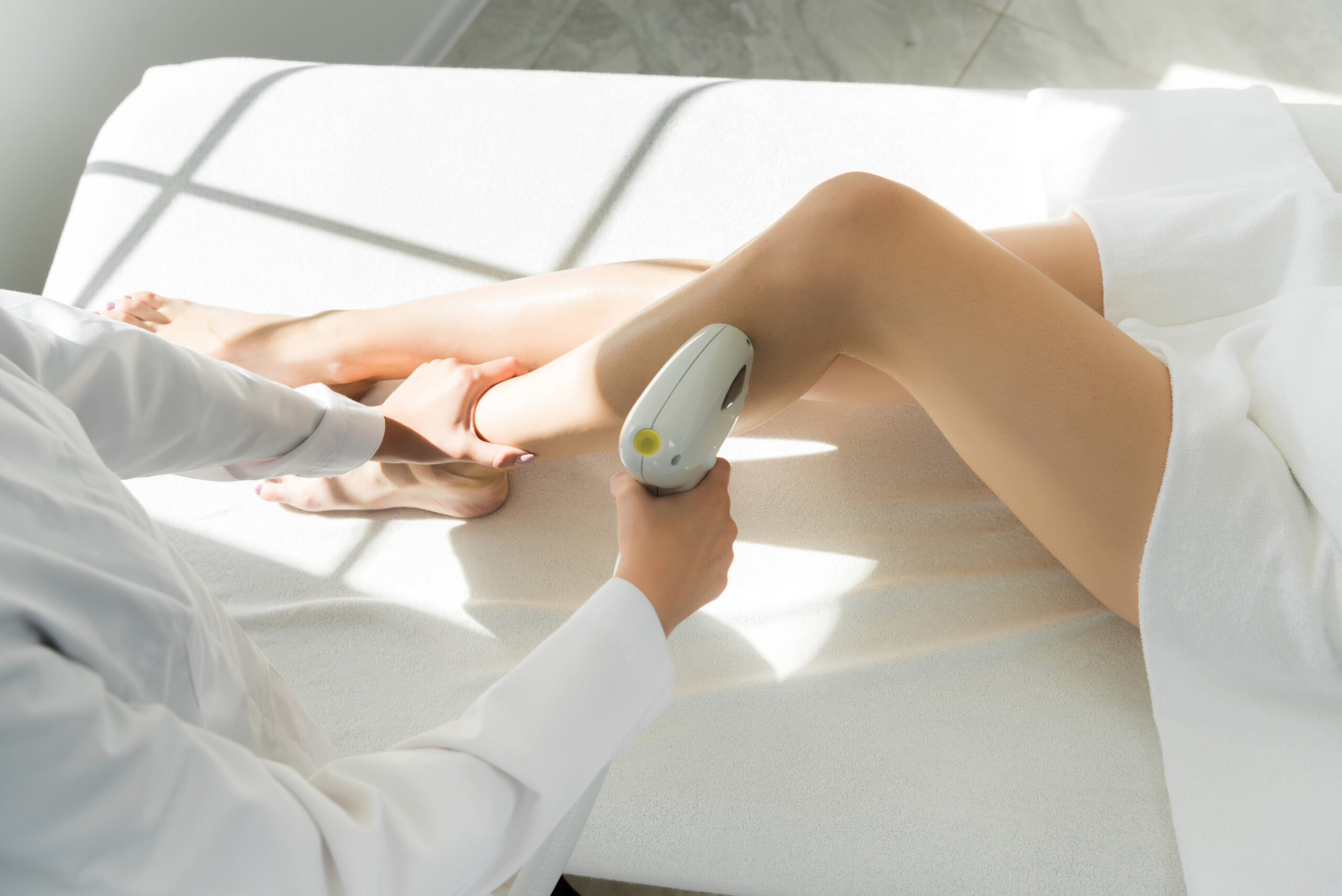
How does IPL fit into the treatment of skin conditions like excessive hair growth (hirsutism) or ingrown hairs?
Intense Pulsed Light (IPL) can be beneficial for various skin conditions, including excessive hair growth (hirsutism) and ingrown hairs, due to its ability to target and reduce hair growth. Below is how IPL is integrated into treating these conditions:
For Treating Hirsutism
Hirsutism is characterized by excessive growth of dark, coarse hair in women in areas where only fine or no hair is typically present, following a pattern usually seen in men. This condition can be linked to hormonal imbalances, syndromes like Polycystic Ovary Syndrome (PCOS), or genetic factors.
- Reducing hair density: IPL can significantly reduce hair density by targeting melanin in the hair follicles, making it a particularly appealing treatment option for patients with hirsutism. Lower hair density can also lessen the psychosocial symptoms associated with the condition, improving patients’ overall quality of life.
- Complementary approach: Treating hirsutism may require a multimodal approach, including medication to regulate hormones (such as oral contraceptives or antiandrogens), lifestyle changes, and hair removal methods like IPL to directly address excessive hair growth.
For Treating Ingrown Hairs
Ingrown hairs occur when shaved or removed hairs curl back and grow into the skin, leading to inflammation, pain, and sometimes infection. IPL can help treat and prevent ingrown hairs in several ways:
- Reducing hair regrowth: By lowering hair density and growth, IPL reduces the likelihood of hairs curling back and becoming ingrown. This is particularly useful in areas prone to ingrown hairs, such as the neck, face, legs, and bikini area.
- Improving skin texture: IPL can also help enhance the overall texture of the skin and reduce inflammation associated with ingrown hairs, making the skin smoother and less prone to this issue.
General Considerations
- Professional evaluation: Before starting IPL for hirsutism or ingrown hairs, an assessment by a dermatologist or qualified healthcare professional is essential to ensure that this method is suitable for the patient’s specific case, taking into account skin type, hair color, and any underlying conditions.
- Safety and efficacy: While IPL is considered safe and effective for many patients, it is important to discuss potential side effects and ensure the treatment is performed by an experienced practitioner or under medical supervision, particularly for sensitive areas or complex skin conditions.
In summary, IPL provides a valuable treatment option for hirsutism and ingrown hairs, with benefits that extend beyond simply reducing hair to include enhancing the overall look and health of the skin.
Which recommendations would you give to your patients before and after an IPL session to maximize results and minimize risks?
IPL (Intense Pulsed Light) can be an effective treatment for skin conditions such as excessive hair growth (hirsutism) and ingrown hairs, by targeting the hair root without damaging the surrounding skin. That said, to optimize results and minimize risks, there are several important recommendations to follow before and after an IPL session.
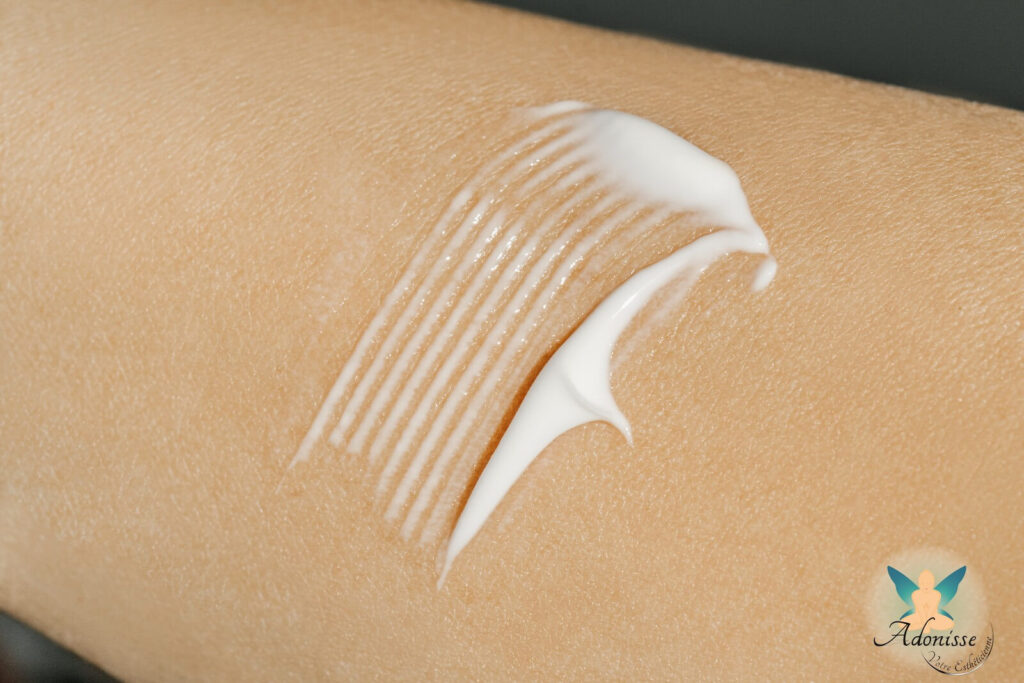
Before the IPL Session
- Avoid sun exposure: Patients should avoid sun exposure, tanning beds, or self-tanning products for at least 4 to 6 weeks before treatment to lower the risk of burns or pigmentation changes.
- Do not remove hairs at the root: It is recommended not to pluck hairs (through waxing, epilation, or tweezers) in the treatment area for at least four weeks prior. IPL targets the melanin in the hair roots, so the roots need to be present for the treatment to be effective.
- Shave the treatment area: Shaving the area 24 to 48 hours before the session leaves a small amount of hair for the IPL to target, without causing burns on the skin’s surface.
- Cleanse the skin: Make sure the skin is clean, dry, and free of any cosmetics, creams, or lotions before the session.
- Pre-treatment consultation: A consultation with a qualified professional is essential to assess the patient’s eligibility, discuss expectations, and identify any medical condition or medication that might affect the treatment.
After the IPL Session
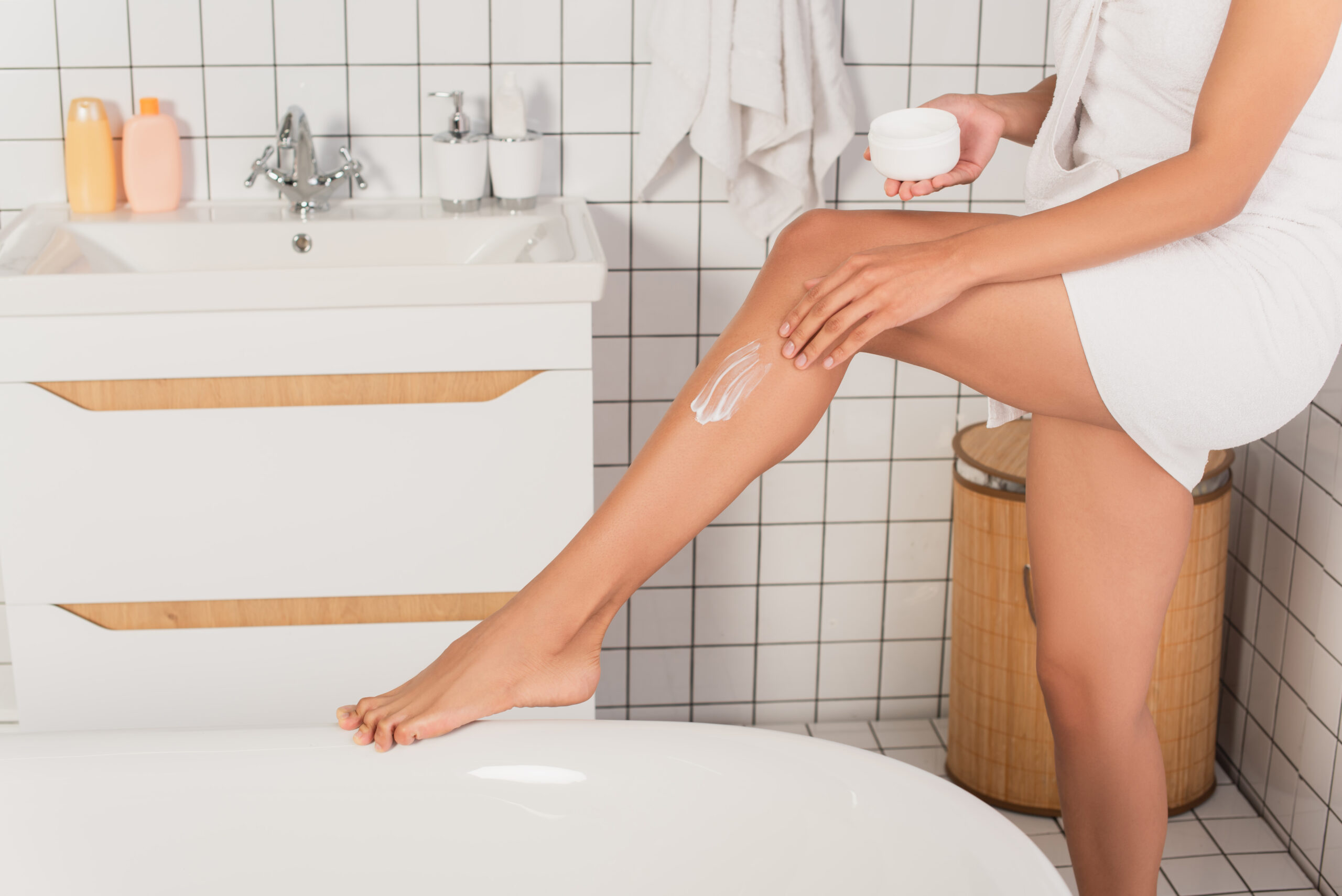
- Apply cold compresses: Use cold compresses or aloe vera gel to soothe the treated area if needed.
- Avoid heat: Refrain from hot baths, saunas, and intense exercise for 24 to 48 hours following treatment to prevent irritation.
- Sun protection: Apply a broad-spectrum sunscreen (SPF 30 or higher) on the treated area before any sun exposure, and continue to protect the skin from the sun between sessions and for at least 4 to 6 weeks after treatment to prevent pigmentation changes.
- Avoid other skin treatments: Refrain from using irritating products or undergoing skin treatments (like retinoids or acids) on the treated area for at least one week following the session.
- Follow specific instructions: Adhere to all post-treatment guidelines provided by the professional, including scheduling follow-up sessions to achieve optimal results.
- Monitor the skin: Keep an eye on the skin for any unusual reaction (such as severe burns, discoloration, or infection) and contact a healthcare professional if necessary.
Following these pre- and post-treatment recommendations helps optimize results while minimizing the risk of side effects, ensuring a safer and more effective treatment experience for patients.
Tips to follow as a beginner
What advice would you give to someone who is new to at-home IPL hair removal?
For someone just starting out with at-home Intense Pulsed Light (IPL) hair removal, here are some essential tips:
- Read the manual carefully: Before getting started, thoroughly familiarize yourself with your device’s instructions to ensure proper and safe use.
- Perform a patch test: Test the device on a small area of your skin to observe any reaction and ensure there are no adverse effects before a full treatment.
- Prepare your skin: Shave the treatment area before using IPL. Your skin should be clean, dry, and free of creams or deodorants for maximum effectiveness.
- Wear protective glasses: If your device includes protective glasses, be sure to use them to shield your eyes from the pulsed light.
- Start at a low setting: For your first session, select the lowest intensity level, then gradually increase it based on your comfort and skin reaction.
- Be patient and consistent: Results take time and depend on regular sessions. Follow the schedule recommended by the manufacturer.
- Shield your skin from the sun: Avoid sun exposure and apply sunscreen on treated areas to prevent pigmentation.
What are the possible side effects?
Have you experienced any side effects? How did you manage them?
I experienced some redness and a mild warm sensation immediately after my at-home IPL sessions, but nothing alarming.
To handle this, I applied cold compresses and aloe vera right away to the treated areas, which helped calm my skin fairly quickly. I also made sure to adjust the device’s intensity in subsequent sessions, always beginning at the lowest level and gradually increasing it to see how my skin reacted. Luckily, I did not experience any severe side effects, but I remained cautious and prepared to consult a professional if anything unusual occurred. I also took care to protect my skin from the sun with a broad-spectrum sunscreen, especially after sessions, to avoid any unwanted pigmentation.
Conclusion
In conclusion, overall experience with IPL hair removal, whether in a salon or at home, is widely seen in a positive light.
Testimonials and studies confirm the effectiveness of permanent IPL hair removal, highlighting that at-home IPL devices truly deliver results. This method offers a durable solution for reducing hair regrowth, standing out for its practicality and effectiveness.
IPL epilators, thanks to their tangible results, effectively address the need for long-term hair reduction.
They represent a revolutionary alternative to traditional hair removal methods, offering a solution that is both comfortable, less painful, and long-lasting. The question of whether they work is answered by the many positive reviews from users who observe a significant decrease in hair regrowth, confirming that IPL epilators are a valid option for those seeking a long-term hair removal method.