Despite its effectiveness and growing popularity, there is an impressive list of factors to consider before embarking on an IPL treatment.
Do you want to eradicate your hair without endangering yourself? Are you wondering if IPL hair removal is suitable for you? Before you start, learn more with these reviews on IPL epilators.
In this article, we will discuss the contraindications of IPL treatment.
KEEP IN MIND
| Contraindication Factors | Description / Potential Risks |
|---|---|
| Hair Type | – Light hair: limited effectiveness on blond, gray, red, and white hair. – Vellus hair: less effective treatment, risk of turning it into thick, dark hair. |
| Skin Type | – Skin that is too dark: risk of burns, blisters, discoloration, scars due to excessive light absorption. |
| IPL and Pregnancy | – Not recommended during pregnancy due to hormonal changes. – Increased risk for sensitive areas like C-section scars – No evidence of risk for ovaries but caution is advised. |
| Medical Conditions | – Heart disease: sensitivity to stress, medications making skin light-sensitive. – Infectious diseases: risk of worsening the infection. – Diabetes: infection risk and slow healing. – Epilepsy: risk of seizures. |
| Medications | – Anticoagulants: risk of bleeding and bruising. – Photosensitizing medications: risk of burns, blisters, discoloration. |
| Sun Exposure | – Increased risk of burns, especially on tanned skin. – Reduced effectiveness of treatment. |
| Tattoos | – Risk of altering or discoloring the tattoo. – Risk of burning on the tattoo. |
| Moles | – Risk of burns. – Possibility of hiding forms of cancer. |
| Side Effects on the Face | – Risk of redness, itching, irritation. |
| Excessive Sweating and IPL | – Combining Etiaxil and IPL: skin sensitization, higher risk of irritation and burns. |
| Side Effects on the Bikini Area | – Risk of irritation, redness, burns, discoloration, itching. |
| IPL Risks at Home | – Risk of incorrect application, less supervision compared to a professional setting. |
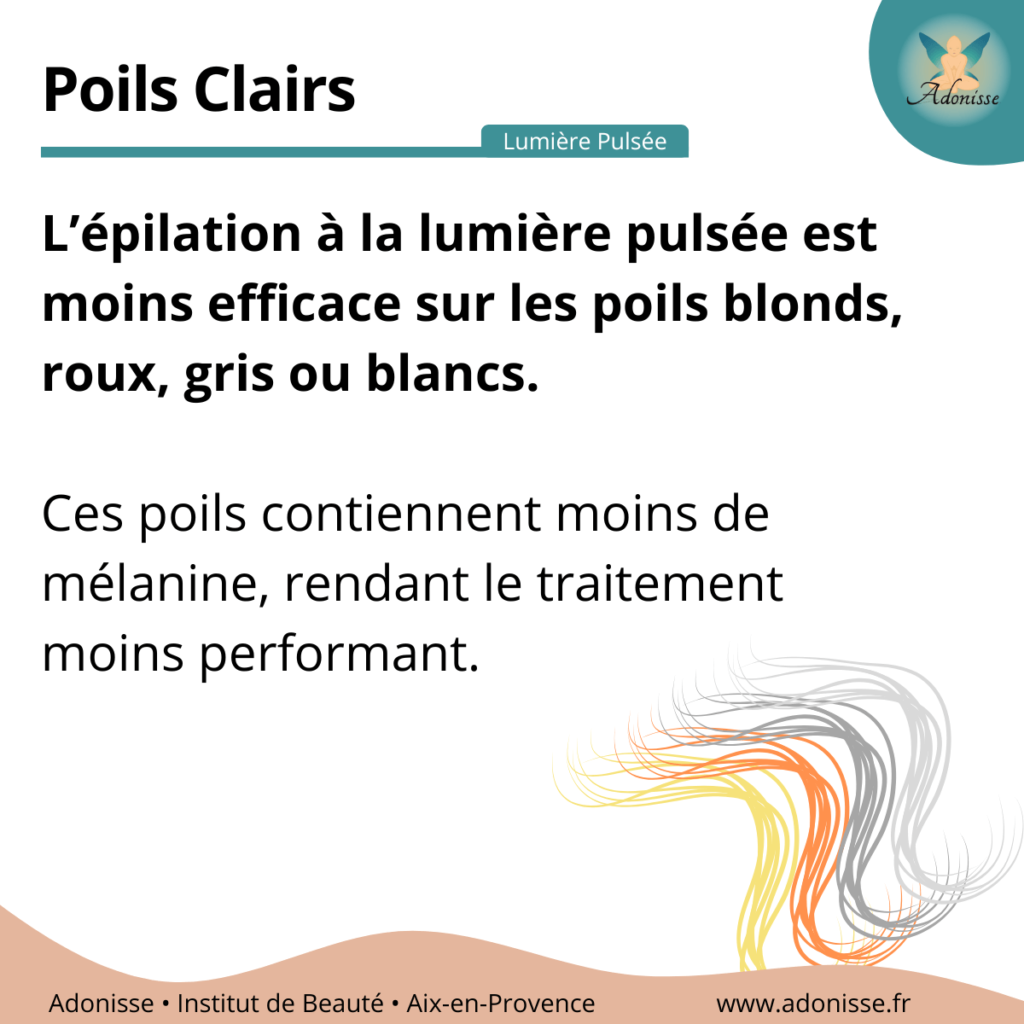
Light Hair
This hair removal method has limited effectiveness on light-colored hair (blond, gray, red, and white) because these hairs contain less melanin than darker hair.
Thus, there are fewer targets for the IPL, meaning less heat is generated and the hair follicle is less likely to be significantly damaged.
This could be ineffective in that case.
Vellus Hair
Vellus hair is a finer and lighter type of hair than regular hair. It therefore contains less melanin.
IPL will thus have fewer “targets” to reach, making the treatment less effective, just like hair that is too light. The IPL may not produce enough heat to damage the hair follicle, risking turning this vellus hair into thick, dark hair.
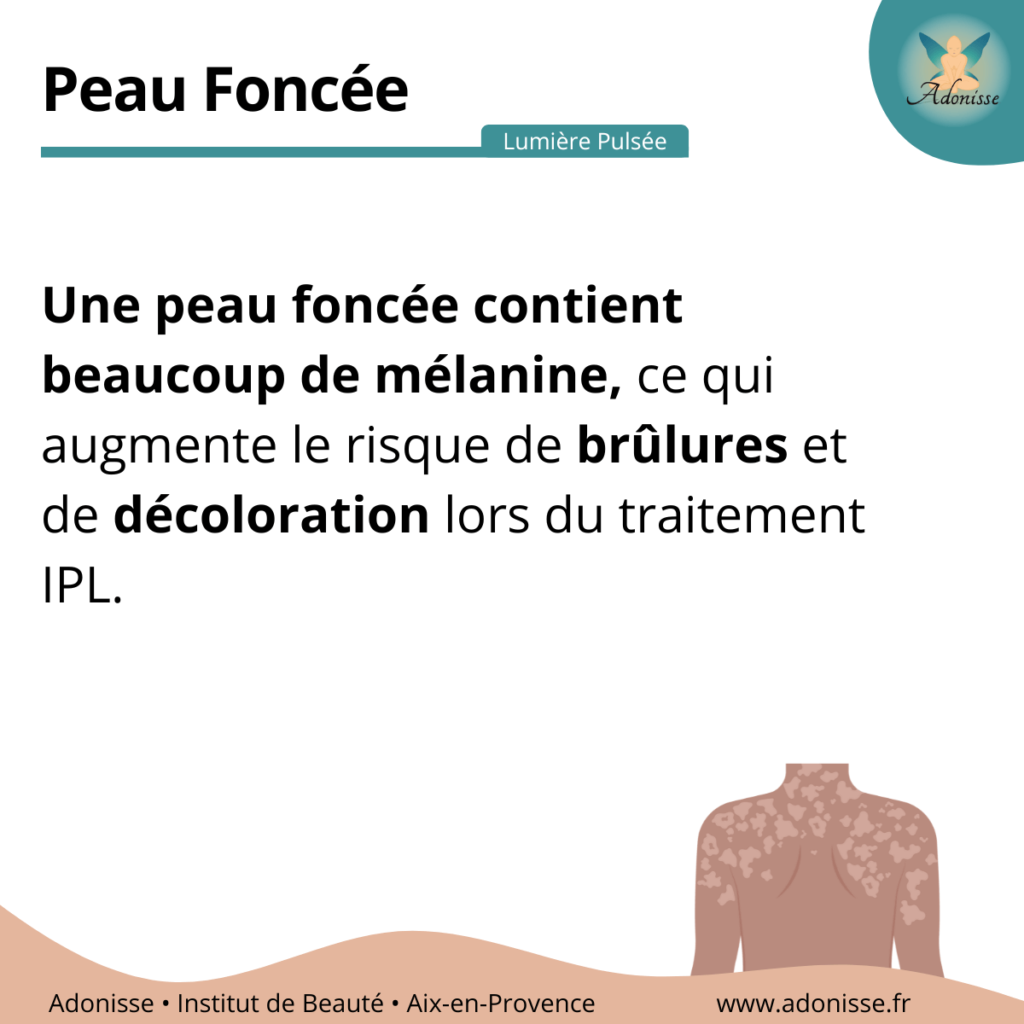
Skin That Is Too Dark
Dark skin contains a large amount of melanin. Yet, IPL devices are designed to detect melanin and do not distinguish between hair melanin and skin melanin.
The skin itself can absorb more light, which may lead to skin overheating.
This can cause various problems, such as:
- burns
- blisters
- discoloration
- scars.
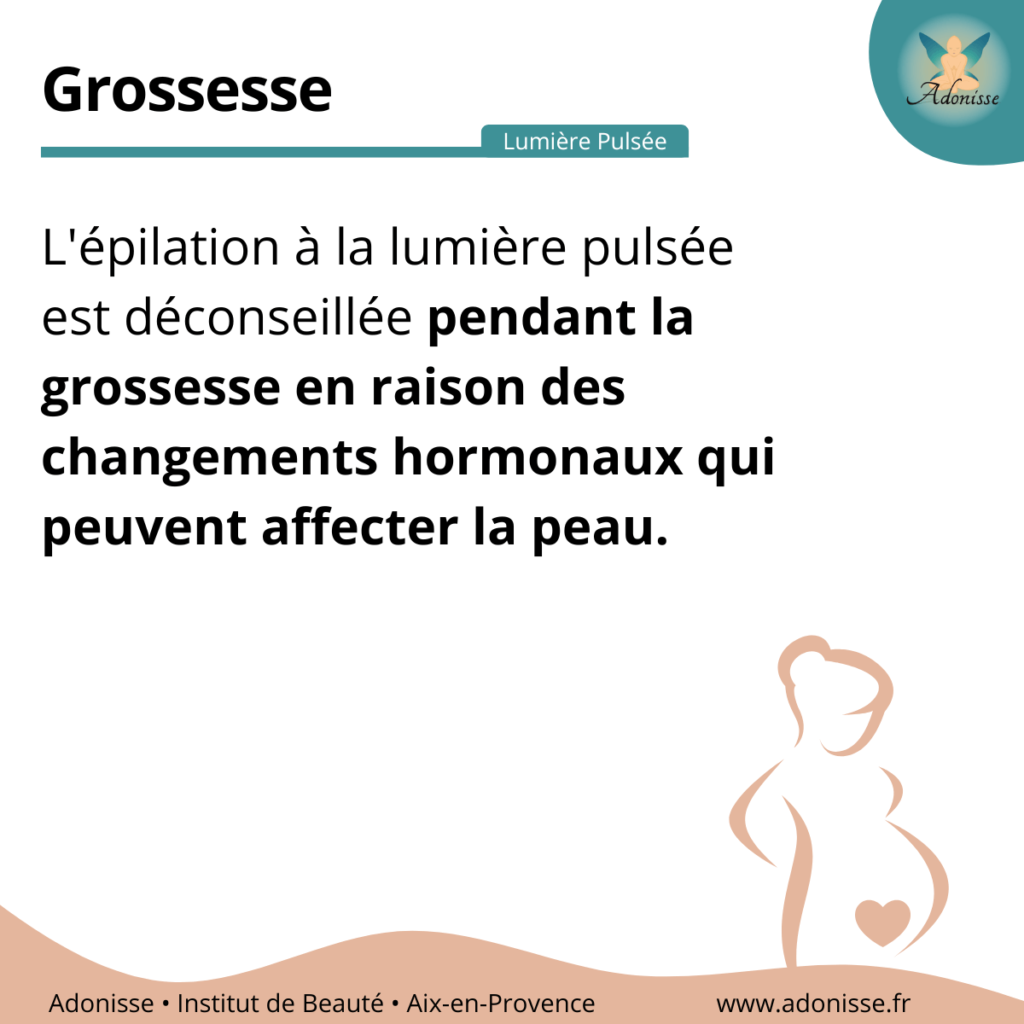
IPL and Pregnancy: Precautions and Risks
IPL During Pregnancy
Pregnancy involves hormonal upheavals that can alter the skin’s reaction to IPL. Although there is no formal evidence of its harmfulness, as a precaution, IPL hair removal is not recommended during this period.
C-section Scar and IPL
The increased sensitivity of certain areas, such as C-section scars, can make IPL less effective or risky, leading to complications like burns or discoloration.
IPL: Danger for the Ovaries?
There is no conclusive evidence regarding risk to the ovaries, but caution is advised in the absence of comprehensive studies.
Pregnant Esthetician and IPL
Pregnant estheticians should be particularly aware of potential dangers associated with the use of IPL, both for themselves and their clients.
To learn more, read this article: IPL when you’re pregnant

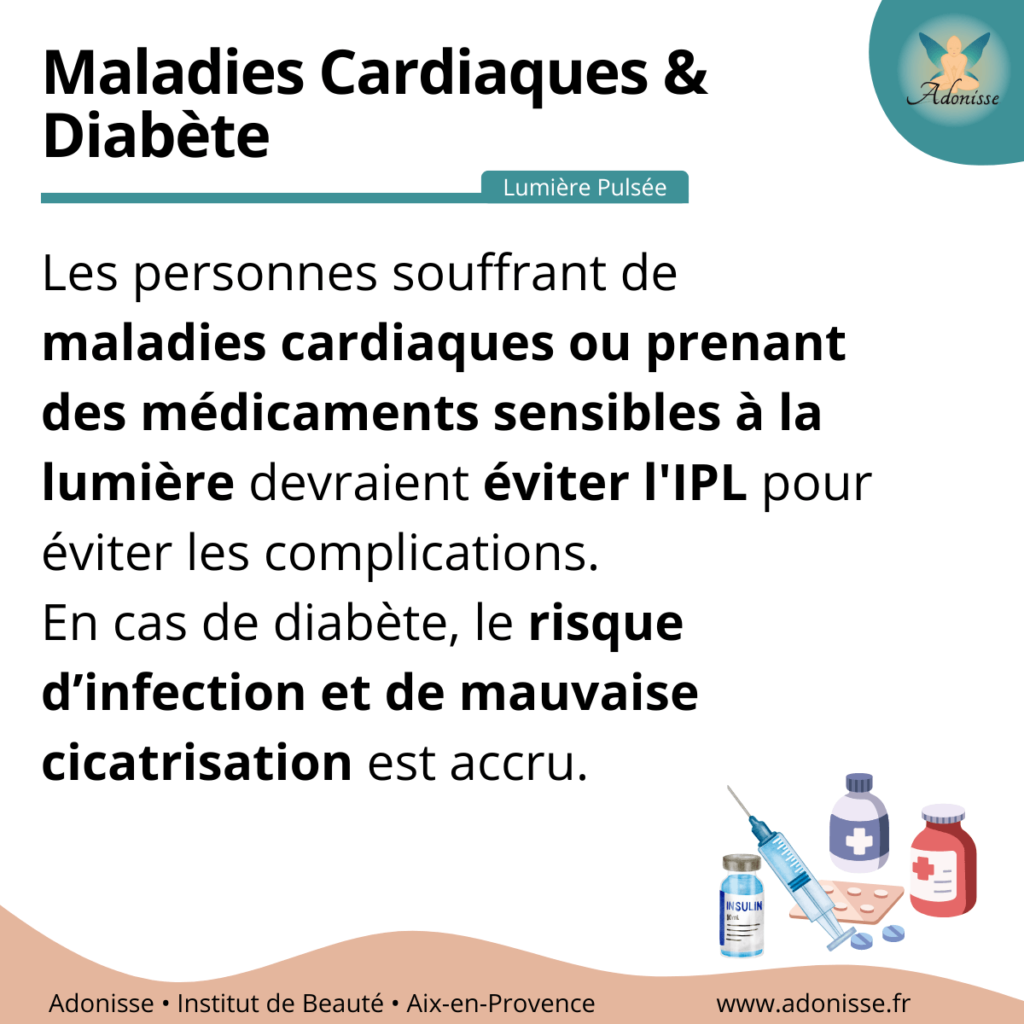
Dangers of IPL Epilators in Heart Disease, Infectious Disease, Diabetes, and Epilepsy
Certain medical conditions can make IPL hair removal potentially dangerous or ineffective.
Heart Disease
People with certain heart conditions may be more sensitive to stress or pain, which could lead to complications during or after a session of IPL.
Some medications used to treat heart disease can increase skin sensitivity to light, raising the risk of side effects.
Infectious Diseases
An active systemic infectious disease weakens the immune system. If a person has an active skin infection, IPL could worsen the infection or spread it to other parts of the body.
Diabetes
People with diabetes often experience slower healing and are more prone to infections. IPL can irritate the skin or cause minor burns, which could potentially lead to complications in diabetic individuals.
Epilepsy
IPL involves the emission of high-intensity light, which can potentially trigger a seizure in people with photosensitive epilepsy.
You might be interested in: Is IPL carcinogenic?
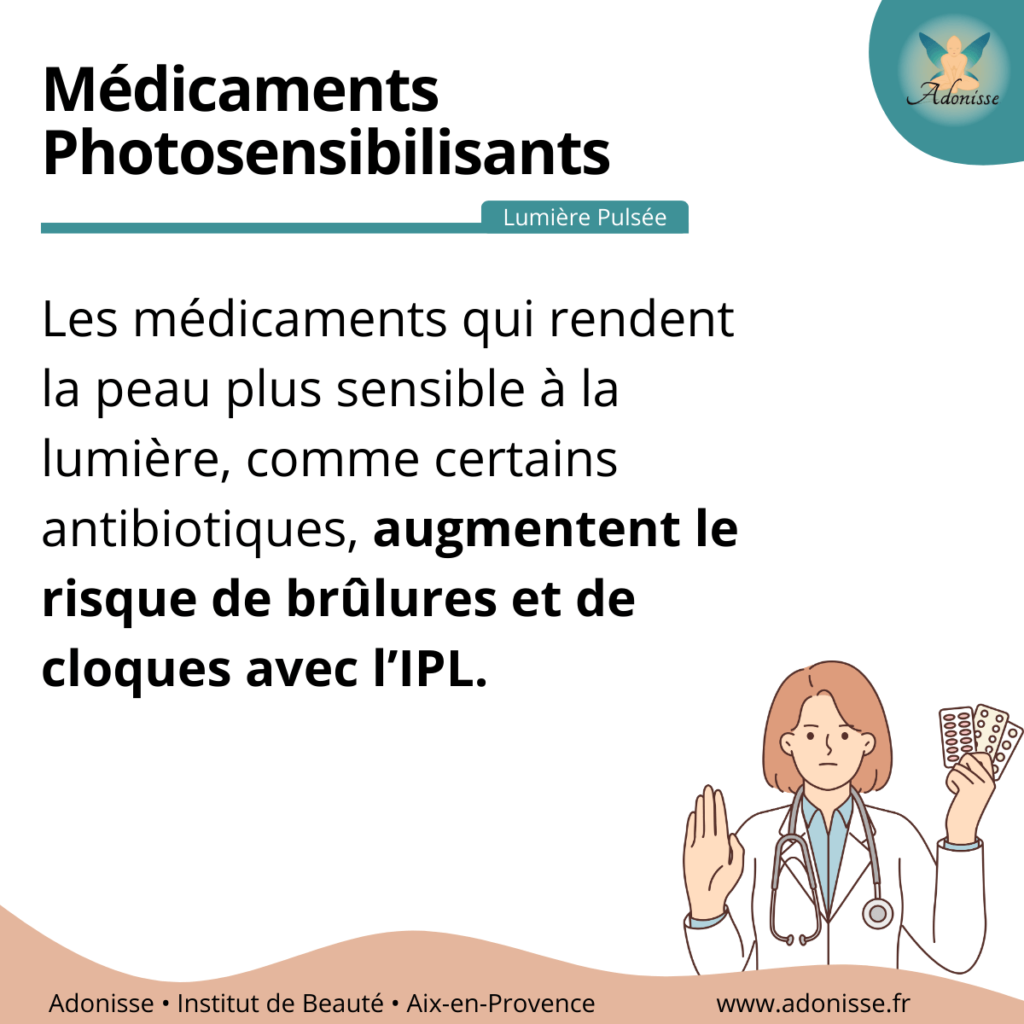
Prohibited Medication Treatment
IPL hair removal can negatively interact with certain medications, especially anticoagulants and photosensitizing drugs.
Anticoagulants
These medications help prevent blood clotting. If you are taking anticoagulants, you may be more prone to bleeding or bruising during or after an IPL procedure.
This could not only make the treatment more uncomfortable but also potentially increase the risk of infections or other complications.
Photosensitizing Medications
Certain medications can make the skin more sensitive to light, which is known as photosensitization.
If you are taking a photosensitizing medication, your skin may react more strongly to IPL, potentially causing burns, blisters, or skin discoloration.
Antibiotics, certain antidepressants, and acne medications can have photosensitizing effects.
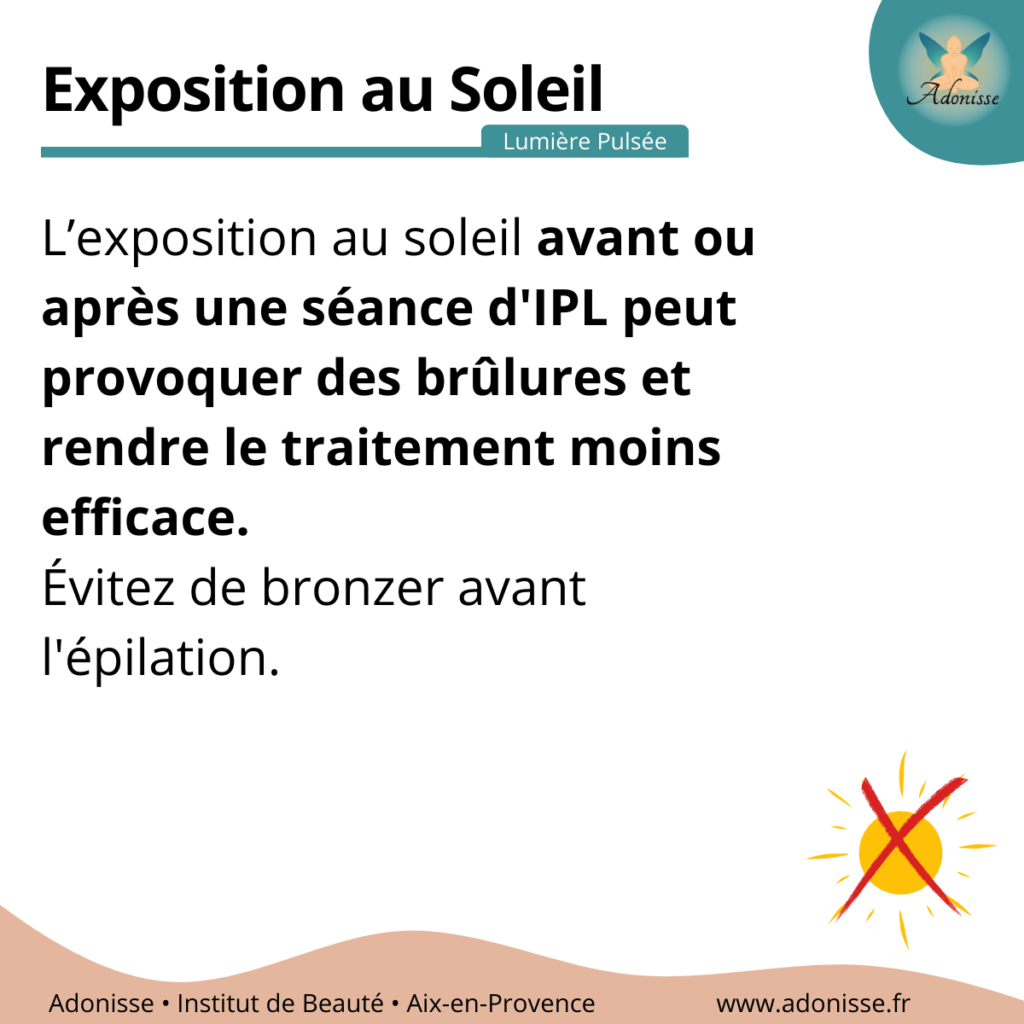
IPL and the Sun, UV Exposure, and Tanning
Once again, the issue here is melanin.
When you expose yourself to the sun or tan, your skin produces more melanin to protect against ultraviolet (UV) rays. This makes your skin darker.
If you have tanned skin and undergo IPL hair removal, it can pose problems:
- Increased risk of burns: Since tanned skin contains more melanin, it can absorb more IPL light.
This can lead to skin overheating, which can cause burns, blisters, discoloration, or even scars. - Less effectiveness: IPL targets melanin. If your skin and hair are of a similar color (for instance, if you have tanned skin and brown hair), it can be difficult for the IPL device to accurately target the hair without affecting the surrounding skin. This can make the treatment less effective.

Tattoos
A tattoo involves injecting colored pigments into the skin. These pigments might absorb the IPL in the same way melanin does.
This can lead to several issues:
- Tattoo damage: The heat generated by the IPL could potentially break down or alter the tattoo’s color pigments, which could cause the tattoo to disappear or fade, or even change colors.
- Risk of burns: If the tattoo’s color pigments absorb a lot of light and generate a lot of heat, it could potentially burn the skin.
You might be interested in: Why do you have to shave your hair before an IPL hair removal session?

Hair Removal on Moles
Moles generally contain a higher concentration of melanin than the rest of the skin. IPL could then heat the mole, not without consequences.
Risk of Burning the Mole
Because moles contain more melanin, they can absorb more light from the IPL device. This can generate more heat than usual, which can burn the skin. To avoid this, you should cover the mole(s) with a small white sticker or bandage.
Risk of Hiding a Form of Cancer
Moles can sometimes turn into melanoma, a dangerous form of skin cancer. Using IPL on a mole could potentially hide changes in the mole that could be very dangerous later on.
Potential Side Effects on the Face
IPL hair removal is a favored technology for many people seeking to get rid of unwanted hair. However, as with any aesthetic treatment, there are potential risks to be aware of.
IPL and the Face: What Should You Know?
IPL on the face is increasingly popular for various skin concerns, including hair removal. However, some users have reported IPL side effects on the face, such as redness, itching, or irritation.
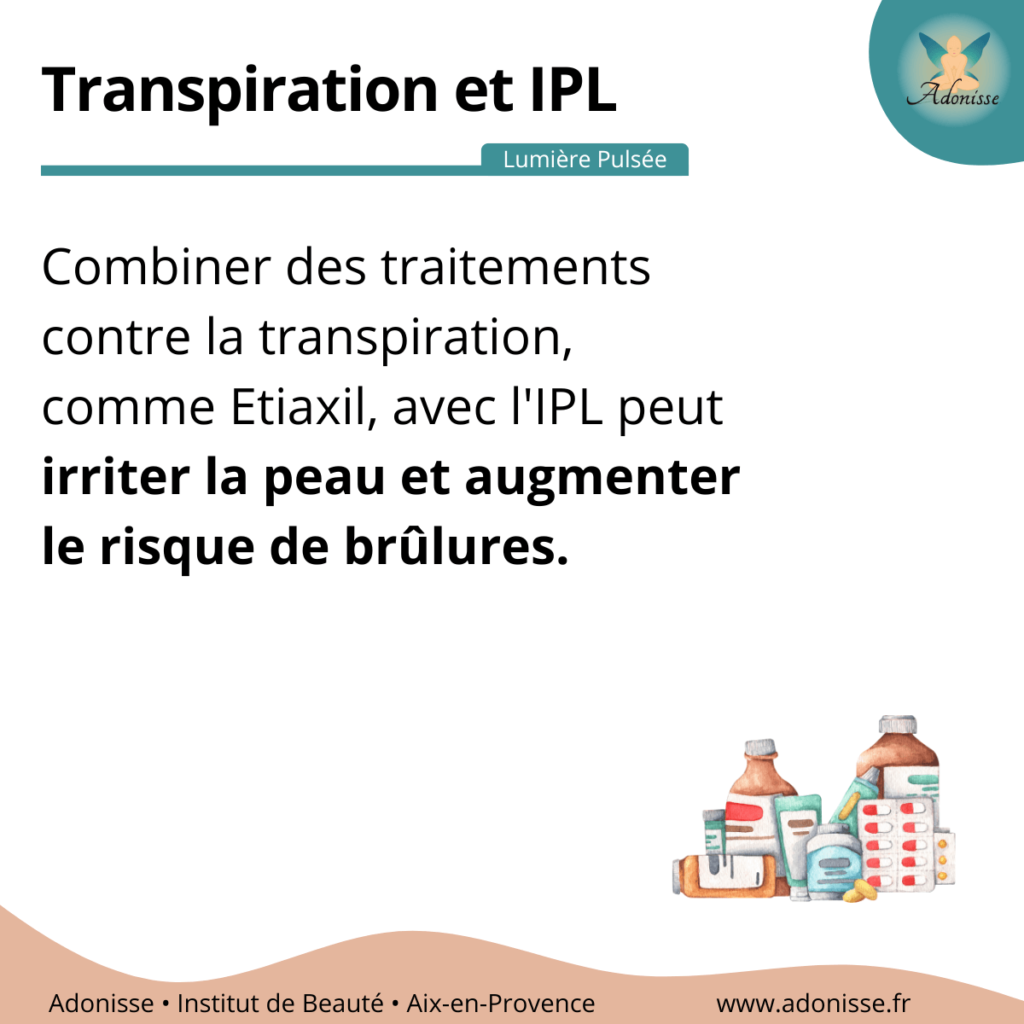
Sweating and IPL
Sweating is a natural mechanism of the body to regulate temperature. However, in the case of hyperhidrosis or excessive sweating, treatments such as Etiaxil and IPL are often sought.
Etiaxil and IPL: A Combination to Monitor
Etiaxil, often used for hyperhidrosis, contains chemical components that reduce sweating. Meanwhile, IPL targets and heats sweat glands to minimize perspiration.
The combination of Etiaxil and IPL can sensitize the skin, increasing the risk of irritations or burns. If you plan to use both treatments, here are some recommendations:
- Consult a dermatologist before combining the two methods.
- Space out the treatments: For example, stop using Etiaxil a few days before and after IPL.
- Stay vigilant for any skin reactions and adjust use accordingly.
Side Effects of IPL on the Bikini Area
IPL hair removal in the bikini area is popular among those looking to remove unwanted hair. However, this delicate area can present specific side effects:
- Irritation and redness: The skin around the bikini area is sensitive. It may therefore react with redness or irritation following the treatment.
- Risk of burns: The skin in the bikini area is thinner than in other regions, which increases the risk of burns if the treatment is not carried out properly.
- Discoloration: In some cases, the skin can either lighten (hypopigmentation) or darken (hyperpigmentation) after treatment.
- Itching: Some may experience post-treatment itching which, although usually temporary, can be uncomfortable.
It is crucial to follow post-treatment instructions and consult a professional if side effects persist.
Risks of At-Home IPL
With the rise of at-home IPL devices, more and more people choose to do their hair removal sessions at home. While this offers convenience, there are associated risks of using IPL at home:
- Improper use: Without professional supervision, there is an increased risk of incorrect device use, which can cause injuries.
- Variable intensity: Home devices may not offer the same intensity or effectiveness as professional machines.
- Risk of burns and scarring: In the absence of proper training, at-home users can burn themselves or leave scars on their skin.
- Lower effectiveness: Home devices may require more sessions to achieve the same results as a professional machine.
It is recommended to do thorough research and carefully follow the instructions when using IPL devices at home. If possible, obtaining training or a prior demonstration can reduce risks.
Conclusion
IPL hair removal can be an effective method of getting rid of unwanted hair, but it is important to consider the nuances and ensure that you are the right candidate for this semi-permanent treatment!
Remember to stay informed with your esthetician and take care of your skin so that each hair removal session becomes as pleasant as possible.
Happy hair removal!
FAQ
Un crayon blanc placer sur votre grain de beauté pourrait vous aider à protéger celui-ci pendant votre traitement.
Il est possible d’utiliser la lumière pulsée sur une cicatrice, seulement si celle-ci n’est pas récente, et a eu le temps de produire des tissus de peau (100% cicatrisés).
Autrement, la cicatrices pourrais être irrité par l’épilation à la lumière pulsée.
Durant la grossesse, les femmes subissent de nombreux changements hormonaux qui peuvent affecter la réaction de la peau à l’IPL. De plus, il n’existe pas suffisamment de recherches pour prouver que la lumière pulsée est totalement sûre pendant la grossesse. Par mesure de précaution, il est recommandé d’éviter cette méthode d’épilation pendant cette période.
La lumière pulsée, lorsqu’elle est utilisée correctement et sous surveillance d’un professionnel, est généralement considérée comme sûre. Cependant, comme toute procédure esthétique, elle comporte certains risques. Il est essentiel de suivre toutes les instructions et recommandations pour minimiser les risques d’effets secondaires.
Coût : Les séances peuvent s’avérer coûteuses.
Douleur : Certaines personnes peuvent ressentir un inconfort pendant la procédure.
Effets secondaires possibles : Tels que des brûlures, des cloques, des décolorations de la peau ou des cicatrices.
Nécessité de plusieurs séances : Plusieurs traitements sont généralement nécessaires pour obtenir des résultats optimaux.
Sources :
https://www.quechoisir.org/actualite-epilation-a-la-lumiere-pulsee-les-dermatologues-veulent-conserver-le-monopole-n68327/
https://www.depiltech.com/be/actualite/52/depiltech-article-les-contre-indications-a-la-lumiere-pulsee