Although intense pulsed light (IPL) shows promising results for hair removal, it is not without potential risks and side effects.
In certain cases, undesirable effects such as burns, pigmentation changes, or paradoxical regrowth may occur. These issues are usually seen in sensitive areas like the face or bikini line. Caution is therefore advised!
This guide aims to be your ally in understanding and navigating the various aspects, benefits, and precautions of IPL hair removal, including choosing the best IPL epilator on the market to minimize risks.
Key Points
- Discomfort and Skin Problems: You may experience pain, burns, and various skin issues such as erythema or edema, especially in sensitive areas like the face and bikini line.
- Pigmentation and Hair Growth: Pigmentation changes (white or brown spots) and hair growth issues, such as paradoxical regrowth, may occur.
- Ocular Risks and Long-Term Effects: Exposure to flashes without proper eye protection can lead to eye pain or ocular damage. Long-term concerns, such as delayed detection of skin cancer, remain a worry, although no conclusive studies have been published yet.
- Consultation and Precautions: A consultation with a professional is vital to understand the risks of IPL and ensure all necessary precautions are taken.
Pain and Burns
IPL hair removal, particularly in the bikini line and facial areas, can cause temporary pain and burning sensations, sometimes requiring post-treatment care to soothe the skin.
Pain and burns associated with intense pulsed light (IPL) are common side effects, especially in sensitive areas like the bikini line and the face.
The pain, often described as a pinching or snapping sensation, is due to the intense light penetrating the skin to target hair follicles or skin imperfections.
Burns can occur if the IPL device is set too high, if the skin is overly tanned, or if the area is not properly prepared before treatment. These burns can cause significant discomfort and, in some cases, lead to scarring or pigmentation changes, requiring additional treatment to repair damaged skin.
✔️ My recommendations:
- Use a numbing cream before the session (prescription required). Be sure to thoroughly clean the skin beforehand.
- Ensure the device is properly adjusted for your skin and hair type.
- Apply a soothing cream or aloe vera gel after the session.
Skin Problems
Post-IPL skin problems, such as erythema and edema, are normal inflammatory responses to the thermal energy delivered into the skin.
Erythema, or redness, occurs when blood vessels in the skin dilate in response to heat, while edema, or swelling, is caused by fluid buildup in damaged tissues.
Although generally temporary, these reactions can be uncomfortable and visibly noticeable.
In some cases, if the skin is overly irritated or healing does not progress properly, issues like skin peeling or purpura may arise, requiring additional skincare and strict sun protection.
- Erythema and Edema: Redness and swelling can appear, especially on the face, after an IPL treatment.
- Peeling and Purpura: The skin may peel, and bruising can occur.
- Mild Burns: Light burns are possible, particularly in sensitive areas.
✔️ My recommendations:
- Apply a moisturizing cream after the treatment.
- Avoid sun exposure and use sunscreen.
- Stay away from irritating skincare products before and after treatment, such as scrubs, perfumed creams, or fruit acid–based products. Opt for 100% organic care products such as the Avril range, which we sell at the Adonisse institute.
Skin Pigmentation Changes
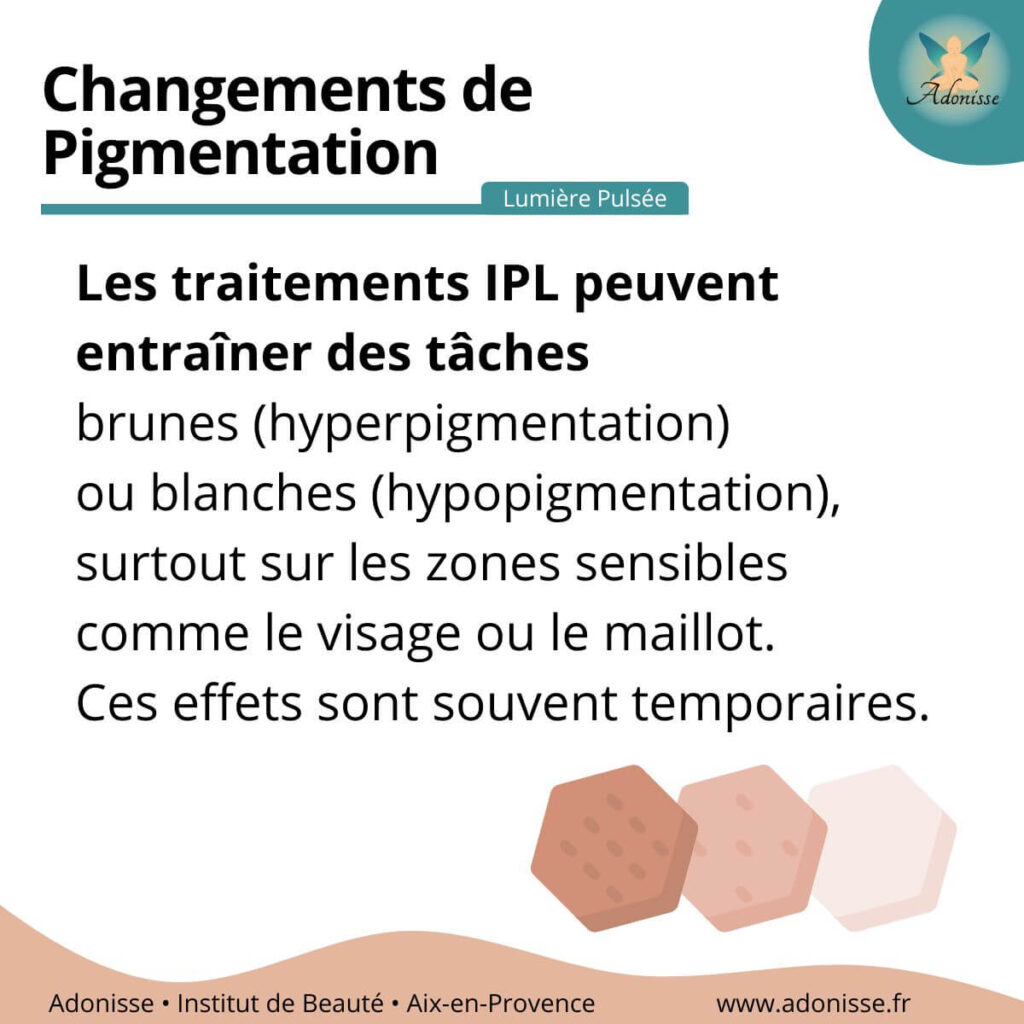
Pigmentation changes, such as hyperpigmentation (darkening or brown spots) and hypopigmentation (lightening or white spots), are notable side effects, particularly on the face or in the bikini line area.
These changes may result from the skin’s melanin (the pigment) response to the intense heat of IPL.
Brown spots can appear when melanin is overproduced in response to thermal stress.
White spots, on the other hand, may occur if melanin-producing cells are damaged or destroyed.
Though often temporary, these pigmentation changes can be cosmetically concerning and may require corrective treatments or skin-lightening therapies.
- Hyperpigmentation and Hypopigmentation: The face may show darkened or lightened areas following an IPL treatment.
- White or Brown Spots: Pigment marks can appear after treatment.
✔️ My recommendations:
- Avoid sun exposure before and after treatment.
- Use sunscreen.
- Consult a professional if pigmentation changes persist.
Paradoxical Hair Regrowth
Paradoxical regrowth is an intriguing, counterintuitive IPL side effect where hair sometimes grows back thicker or in greater quantity in the treated area. This can be particularly frustrating!
The exact cause of paradoxical regrowth is not fully understood, but it may be related to hormonal factors or stimulation of dormant hair follicles by the treatment. While not dangerous, this condition may require additional sessions or alternative interventions to manage effectively.
- Increased Hair Growth: Sometimes, hair growth may intensify.
- Paradoxical Regrowth: Treated areas may show denser or thicker hair regrowth.
- Hair Depigmentation: Hair may lose its color.
✔️ My recommendations:
- Discuss with a professional prior to treatment if you have a history of excessive hair growth.
- Follow a regular treatment schedule to manage regrowth and read our article on hair shedding after IPL and “Do hairs grow back after IPL?“.
Eye Pain
Eye pain and ocular lesions caused by intense pulsed light (IPL) are serious risks during treatments, particularly without adequate protection. The intensity of the light can cause immediate eye discomfort and, in some cases, damage to sensitive eye structures like the cornea or retina.
Ocular damage can range from mild to severe and, in some cases, lead to long-term vision problems.
This is why wearing special protective glasses during IPL treatments is imperative to shield the eyes from direct or indirect exposure to intense light.
- Eye Pain and Lesions: Without proper protection, IPL can be dangerous to the eyes. It can cause eye pain and, worse, affect the cornea or retina.
✔️ My recommendations:
- Always wear protective eyewear during treatment.
- Ensure the practitioner also uses proper eye protection.


You may find this article interesting: Philips: My Review & Philips Lumea: My review on these IPL devices
Moderate Skin Reactions
Blisters and vesicles may require extra care.
These blister formations, which can be painful and uncomfortable, are generally the result of overly high IPL energy settings or insufficient cooling of the skin. Meanwhile, Fox-Fordyce disease, a benign dermatosis, can be exacerbated by IPL, causing itchy papules and potentially leading to aesthetic and physical discomfort.
- Blisters and Vesicles: Such blister formations may require topical treatments.
- Fox-Fordyce Disease: This benign dermatosis can be exacerbated by IPL.
✔️ My recommendations:
- Apply a soothing cream after treatment.
- Avoid irritating products on the treated skin.
- Consult a dermatologist if reactions persist.
Sweating After IPL
While this method is generally not associated with increased sweating, each individual may react differently to the treatment.
IPL uses heat to damage hair follicles. This heat can temporarily increase skin temperature, which may cause heightened sweating immediately after the treatment. But don’t worry, it’s only temporary!
✔️ My recommendations:
- Stay in a cool environment after the treatment.
- Wear lightweight, breathable clothing.
- Use a mild antiperspirant if needed.
Red Dots After IPL Hair Removal
IPL uses high-energy light to target hair follicles, which can irritate the skin. It is quite common to notice small red dots after the treatment; this is not serious and will fade quickly.
It is very important to use a device suitable for your skin type and hair type.
✔️ My recommendations:
- Apply a soothing cream after the treatment.
- Avoid touching or scratching the treated area.
- If the red dots persist, consult a professional.
Serious Side Effects
Chronic neuropathic pain and scarring are among the most severe side effects of IPL.
Neuropathic pain, which can persist long after treatment, is often difficult to manage and can significantly impact quality of life.
Scars can result from burns or other severe skin reactions and may be permanent. They can require corrective treatments, such as surgery or laser therapy, to improve the skin’s appearance.
- Chronic Neuropathic Pain: Persistent pain can occur post-treatment.
- Scarring: Permanent marks may result from burns or other severe skin reactions.
Long-Term Effects
Long-term effects warrant further research among professionals. While IPL is widely regarded as safe, the full implications of repeated exposure to intense pulsed light are not entirely understood.
Additionally, a serious but rare side effect is delayed detection of skin cancer.
IPL can alter the appearance of precancerous lesions, making early detection of skin issues like melanoma more challenging, and potentially delaying timely diagnosis and treatment.
- Unknown Long-Term Effects: More extensive exploration of IPL’s long-term impacts is needed.
- Delayed Cancer Diagnosis: IPL may change the appearance of precancerous lesions, complicating early detection of melanomas.
Related: Can IPL cause cancer?
Contraindications and Precautions
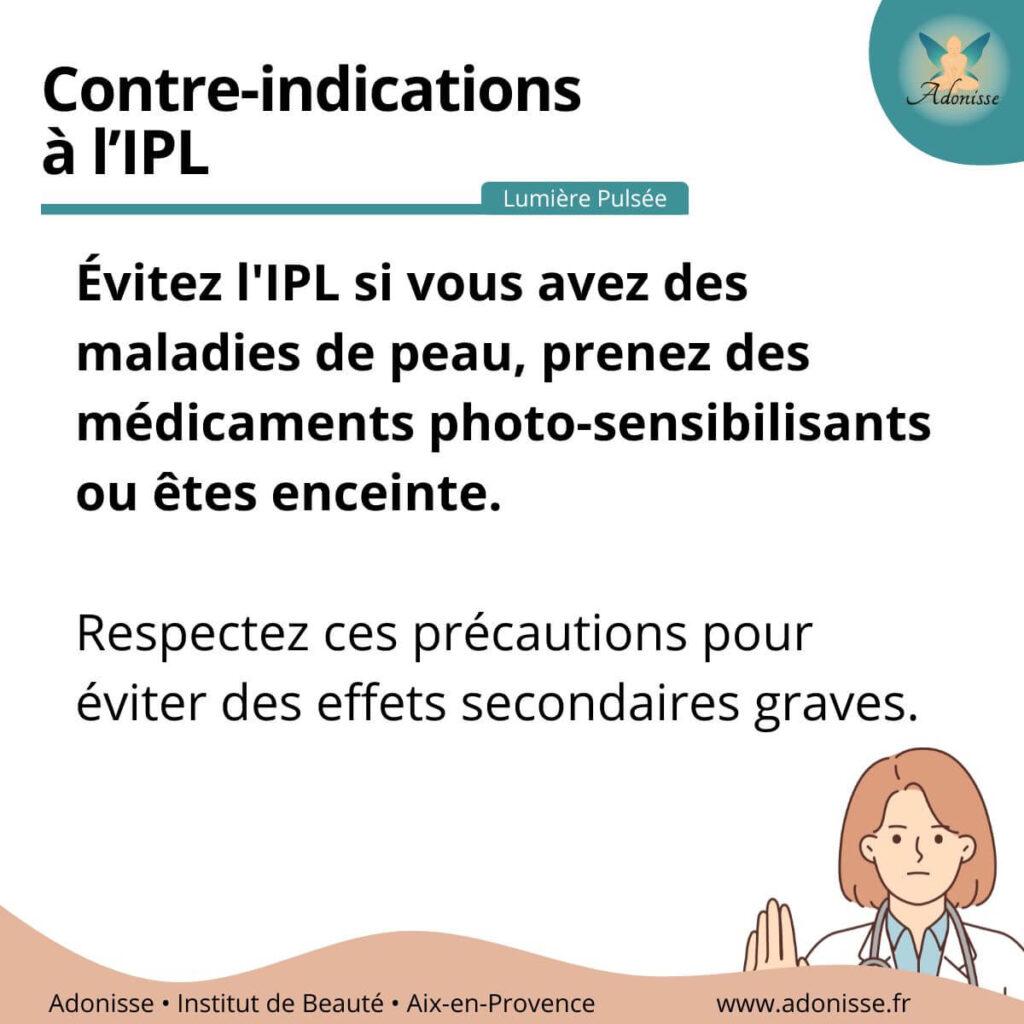
There are several contraindications and precautions to be aware of to avoid adverse effects. Do not use IPL if:
- You have skin abnormalities or dermatological conditions such as rosacea.
- You are taking photosensitizing or anticoagulant medications.
- You have applied products to the area to be treated.
- Your skin tone or hair type is not suitable.
- You have been exposed to UV rays before or after treatment.
- You plan to treat eyebrows with IPL.
- You are under 15 years old.
- You are in pregnancy or breastfeeding, or undergoing hormonal treatments affecting hair growth.
- Hormonal imbalances
- You have a tattoo on the area to be treated.
Best Practices
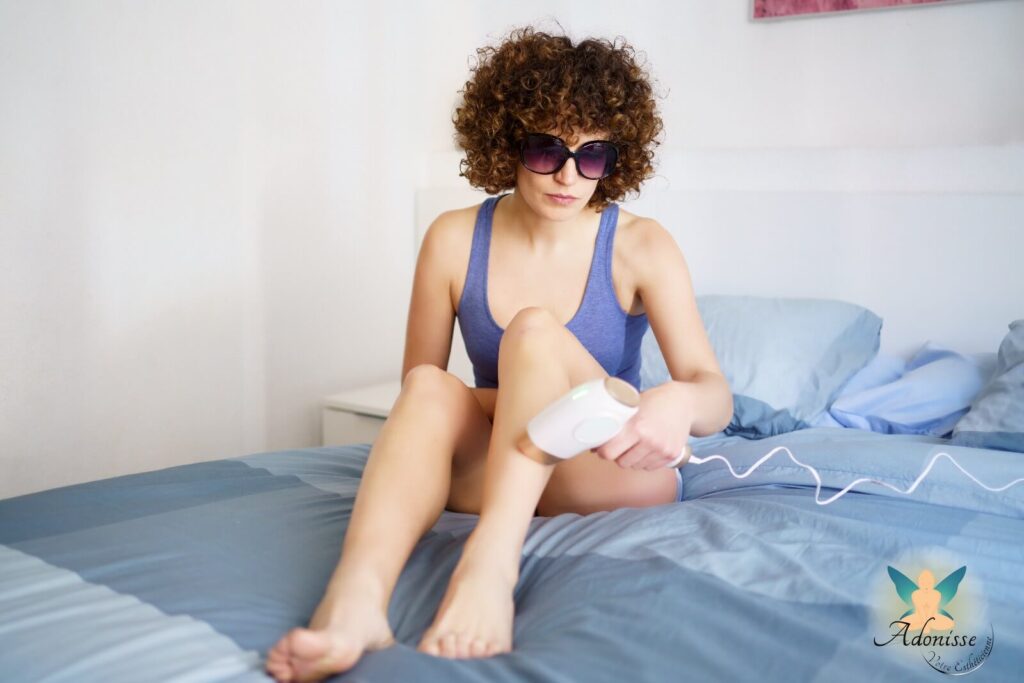
Following proper practices is crucial for protecting your skin and eyes, and for maximizing treatment effectiveness:
- Wear protective glasses.
- Avoid using IPL on areas near the eyes.
- Shave and cleanse the area before treatment.
- Avoid using anesthetics during an IPL session. If you do apply them, do so an hour beforehand and thoroughly clean the skin just before starting.
- Do not expose the same area more than once to the IPL beam in a single session.
- Space sessions at least one month apart.
- Read our article on good practices after an IPL session.
Noticeable but Avoidable Side Effects
Intense pulsed light (IPL) stands out as an effective solution for dealing with unwanted hair, often delivering impressive results.
However, this method requires careful attention to best practices and precautions to prevent unwanted side effects.
By observing contraindications, following safety protocols, and paying close attention to how your skin reacts, you not only get the most out of each session but also protect the health and integrity of your skin.
When applied wisely and knowledgeably, IPL can be a powerful tool in your beauty and skincare arsenal!
FAQ
No, IPL is not considered dangerous for the ovaries when used for hair removal on areas distant from them.
These devices emit a light that is absorbed by the melanin in the hairs, which should not affect the ovaries. However, for areas near reproductive organs—like the bikini line—it is always advisable to consult a healthcare professional or specialist before treatment to discuss any concerns and precautions.
The intense light emitted by the IPL device can irritate the eyes, especially if proper protection is not used.
Exposure to the intense flashes of IPL without appropriate eye protection can lead to eye discomfort or pain. It is crucial to wear special protective glasses during treatment to avoid damage or discomfort. If the pain persists, it is recommended to consult a healthcare professional.
Itching after IPL can be due to the skin’s reaction to the heat generated by the treatment.
Intense pulsed light creates heat to target hair follicles, which can sometimes irritate the skin and trigger itching or a tingling sensation. This can be a normal response, but if accompanied by persistent redness or other symptoms, it is essential to seek professional advice. Using a soothing cream or aloe vera gel after treatment may help relieve discomfort.